
NJ Cryer logo
update
NJ Cryer
update
  • Home
  • Categories
    • Entertainment
    • local news
    • Music
    • Featured Towns & Regions Real Estate
    • Events & Festivals
    • Travel & Day Trip Ideas
    • Health care tips
    • Jersey Family Fun
    • Pets
    • Expert Highlights
August 12.2026
3 Minutes Read

What Amneal's $1.1 Billion Acquisition of Kashiv Means for NJ Healthcare

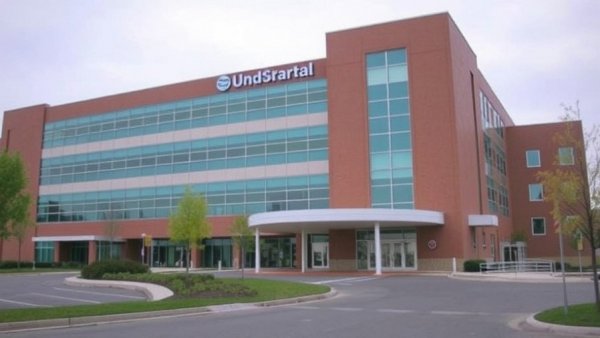
Amneal Kashiv Biosciences acquisition image showing Amneal's modern building.

Understanding Amneal's $1.1 Billion Acquisition of Kashiv Biosciences

In a significant move in the pharmaceutical landscape, Amneal Pharmaceuticals has officially completed its acquisition of Kashiv Biosciences for an impressive $1.1 billion. This detailed narrative dives into what this acquisition entails, who is involved, its timing, and importantly, why it matters for the New Jersey community and the broader healthcare market.

What Happened and Who is Involved?

Amneal Pharmaceuticals, a company based in Bridgewater, New Jersey, successfully closed the acquisition of Kashiv Biosciences, a biopharmaceutical firm known for its innovative drug delivery technologies. This transaction, finalized on October 30, 2023, marks a pivotal point in Amneal's strategy to enhance its portfolio by incorporating Kashiv's development capabilities and pipeline assets.

Where and When Did This Happen?

The acquisition took place at offices of Amneal located in Bridgewater, New Jersey. Timing is key, as it comes during a period of increased consolidation within the healthcare sector, driven by escalating pressures for affordable medicine access and the need for advanced therapeutic solutions.

Why Does This Acquisition Matter?

The implications of this acquisition resonate deeply through the New Jersey healthcare landscape. With a better access to advanced medication options and the promise of innovative therapies, patients in the region can expect improved health outcomes. Moreover, it positions Amneal as a stronger competitor against larger pharmaceutical firms, potentially shifting NJ health system rankings significantly.

Furthermore, this pivotal acquisition is expected to play a crucial role in addressing healthcare trends, such as improving patient safety standards and expanding access to affordable medicines. This aligns with ongoing discussions about renewing health policies in New Jersey, particularly in light of nursing home reforms and patient assistance protections that have been a focus for local government leaders.

The Future of Amneal: Opportunities Ahead

Looking forward, the acquisition opens up pathways for Amneal to leverage Kashiv’s existing product pipeline, potentially translating into increased consumer health revenue and product diversification. This partnership will also allow for advancements in pharmaceutical spin-offs, which are crucial for enhancing the biotech innovations NJ is known for. With a growing focus on telehealth consultations and patient-centered care approaches, this merger could spearhead new health initiatives that resonate with current public health goals.

Expert Insights into the Acquisition

Industry experts underscore the strategic value of this move, noting that it enhances Amneal’s positioning within various therapeutic areas, including oncology and cardiovascular medicines. Local healthcare leaders, like those from Hackensack University Medical Center, express optimism about the potential for improved collaboration in research initiatives, enhancing NJ’s reputation in medical education and clinical advancements.

The Local Impact on Jobs and Economy

The integration of Kashiv into Amneal is likely to have substantial ripple effects within the New Jersey job market as well. With growth comes the need for talent, and industry expectations suggest that hiring for various roles, from R&D to marketing within healthcare services, will increase, contributing to local employment stability.

Community Reactions: What Locals Are Saying

Residents and healthcare professionals alike have shared strong reactions regarding the potential improvements to healthcare access as a result of the merger. Many express hope that this change will lead to increased focus on mental wellness programs and a more robust response to healthcare demands, such as urgent care expansions and home health services.

Next Steps: What Happens Now?

As the integration of Kashiv progresses, stakeholders will closely monitor several factors: product development timelines, regulatory approvals, and how this union impacts upcoming healthcare legislation in NJ. Investors and local leaders hope to see actionable changes that enhance the health and well-being of the New Jersey populace.

In conclusion, the recent acquisition of Kashiv by Amneal not only reflects the dynamics of healthcare finance in New Jersey but serves as a pivotal moment for transformative healthcare delivery. With strong leadership at the helm, New Jersey stands to witness significant advancements in healthcare access and quality in the coming years.
Health care tips

15 Views

Write A Comment

*
*
Please complete the captcha to submit your comment.
Related Posts All Posts
11.20.2026

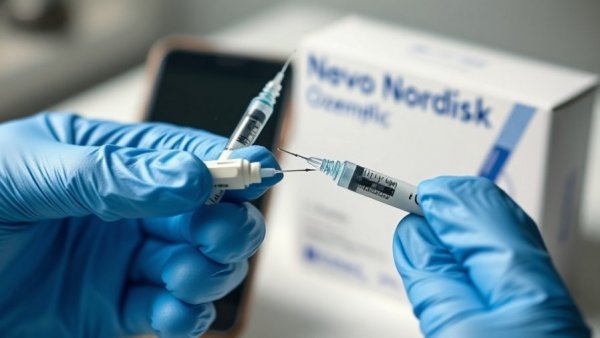
Novo's Job Cuts in NJ: Implications for Healthcare & Local Community

Update New Wave of Layoffs: Novo's Job Cuts Hit New Jersey Novo Nordisk, the Danish pharmaceutical giant behind renowned GLP-1 medications, has announced another round of layoffs at its U.S. headquarters in Plainsboro, New Jersey. As reported, the company expects to cut 215 jobs by February 2027, marking the third significant wave of layoffs in the past year as part of a broader restructuring initiative aimed at adapting to shifting market demands and patient needs. Context and Implications of Job Cuts In a formal statement, a Novo spokesperson indicated that the decision was made after a comprehensive evaluation of the organization to ensure alignment with evolving commercial landscapes and therapeutic advancements. “Decisions that affect employees are never taken lightly, and we are treating impacted colleagues with respect and providing appropriate support throughout the transition,” they said. This move follows a previous announcement to streamline the U.S. sales organization, underscoring the company’s commitment to efficiency amid challenges from competitors like Eli Lilly and mounting pressure to maintain its market presence in the face of the critical patent expiration of its leading medication, semaglutide. The Broader Workforce Impact These layoffs reflect a concerning trend in the pharmaceutical industry, where companies attempt to remain profitable and competitive against rising operational costs and fierce competition. Novo has already seen a significant reduction in its workforce, having trimmed approximately 13,000 jobs since the beginning of its restructuring effort, aiming for annualized savings of around $1.3 billion by the end of 2026. With the headcount now down to about 67,000, it raises critical questions for health system leaders and policymakers in New Jersey about the sustainability of jobs in the sector and the balance between corporate efficiency and employee wellbeing. Market Dynamics and Future Focus As Novo prepares to scale back its workforce, it is simultaneously focused on innovating its product pipeline, pledging to launch at least five new blockbuster drugs by 2030. This ambitious strategy comes in response to increasing competition in the diabetes and weight management space, particularly from rivals who are enhancing their market strategies. For executives in New Jersey's healthcare sector, understanding these dynamics is crucial. Impacts on Patient Care and Community Health The potential loss of jobs within Novo impacts not only those directly affected but also the broader community reliant on these pharmaceutical innovations for diabetes care and weight management solutions. High-profile drugs such as Ozempic and Wegovy are considered essential elements of modern therapeutic regimens for patients battling these chronic conditions. As healthcare leaders, including administrators from major health systems like Hackensack University Medical Center and RWJBarnabas Health, monitor these changes, the implications extend into patient safety standards and access to affordable medicine. The Local Perspective For New Jersey residents, particularly those reliant on innovations in healthcare, the ongoing changes at Novo present a critical moment for local advocacy. Stakeholders must consider how these layoffs might influence not just employment opportunities but also the accessibility of crucial healthcare advancements in the region. As companies like Novo promise deep cuts while simultaneously committing to future launches, the balance between corporate strategy and community health resources continues to grow increasingly complex. What Comes Next? Looking ahead, healthcare insiders expect that Novo's strategies in the coming years will be closely watched. The local community will benefit from discussions around patient assistance protections and healthcare financing initiatives, especially as advancements in GLP-1 therapies continue to redefine treatment landscapes. Additionally, continuous monitoring from policy leaders will be crucial to uphold standards in patient safety amid these corporate transitions. As Novo seeks to restructure and innovate, there exists an opportunity for dialogue among industry leaders about fostering a healthier economic environment for both employees and patients. The evolving landscape invites not just scrutiny but also collaboration to ensure that the strides made in patient care follow suit.

11.19.2026

Unpacking the Healthcare Workforce Shortage: What NJ Leaders Must Address

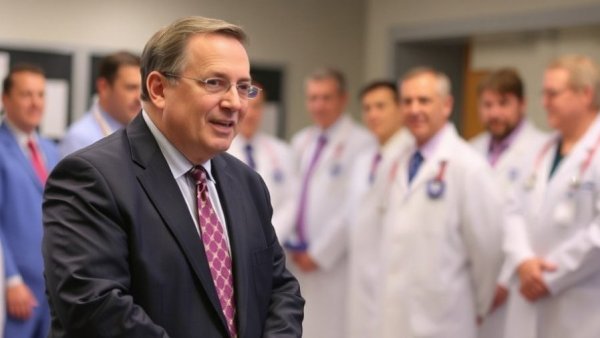
Update Understanding the Healthcare Workforce CrisisIn recent discussions, Steve Adubato has hosted Michellene Davis, the President and CEO of National Medical Fellowships, to delve into one of New Jersey's most pressing concerns: the healthcare workforce shortage. With a growing population and increasing healthcare demands, this shortage poses a significant threat to patient care quality and overall health system functionality in the state. As communities expand and healthcare needs become more complex, the pressure on available resources intensifies, emphasizing the urgency of addressing this crisis.Who’s Affected and Why It MattersThe healthcare workforce crisis does not just impact hospitals and clinics; it reverberates through entire communities. Patients are experiencing longer wait times for critical services, leading to frustration and potentially compromising patient outcomes. Providers are stretched thin, which results in burnout among medical staff and a decline in morale. This rapid pace can lead to significant turnover rates, complicating an already dire situation. For executives and policy leaders in New Jersey, maintaining the quality of healthcare services amidst this challenge is paramount. As leaders from major healthcare systems, like Hackensack University Medical Center, strategize to navigate these challenges, the importance of implementing innovative policies and responsive action becomes undeniably clear.The Local Impact: A Tale of UrgencyNew Jersey's unique demographic landscape—including a sizable elderly population and a diverse community of various cultural backgrounds—magnifies the urgency of workforce reform. Stakeholders must prioritize nursing home reforms and patient assistance protections to ensure that all New Jersey residents can access necessary services. In addition, focusing on preventive care and establishing community health programs can alleviate some of the strain on existing systems while ensuring that healthcare resources are utilized efficiently. Emphasizing patient safety standards and advocating for affordable medicine access can form the backbone of future healthcare strategies, ultimately leading to better health outcomes for residents across the state.Expert Insights on the Future of HealthcareDavis emphasized that to combat shortages, new healthcare pathways must emerge that engage a diverse workforce. This initiative is about more than just filling positions; it involves fostering a culturally competent workforce that reflects the communities it serves. By encouraging youth to pursue careers in medicine and supporting current professionals through mentorship programs, New Jersey can cultivate a robust healthcare environment for future generations. Programs aimed at high school students, internships, and scholarships for aspiring medical students will be pivotal in building a workforce equipped to meet evolving health demands. This proactive approach is essential not only for healthcare delivery today but also for sustaining it in the long term, ensuring that future healthcare providers are prepared to navigate both challenges and opportunities within the industry.Community Health Initiatives: A Collaborative ApproachEngaging communities in health initiatives presents an opportunity for innovative solutions to the workforce problem. By promoting community health initiatives that foster volunteerism and collaboration with local universities, hospitals can tap into fresh talent while addressing critical community needs. Collaboration with educational institutions can lead to opportunities for workforce training and development that align with actual healthcare demand. Future predictions suggest that these collaborative efforts will reshape healthcare delivery models in New Jersey, encouraging partnerships not just between hospitals and universities but also amongst local businesses, nonprofits, and community leaders.Next Steps: Moving Forward TogetherAs New Jersey navigates these unprecedented challenges, all stakeholders—from corporate executives to local community leaders—are called upon to lend their voices and influence. By advocating for comprehensive healthcare reforms and remaining engaged in community initiatives, we can work towards a sustainable healthcare future. The ongoing dialogue around this topic is crucial, as it shapes the policies that will guide our healthcare systems into the future. C-Suite executives, in particular, have the platform and authority to drive change through strategic investments and by being vocal advocates for necessary reforms.Conclusion: The Importance of InvolvementThe healthcare workforce shortage is not merely a statistic to be analyzed; it is a human issue that affects every New Jersey resident. In light of this, we encourage C-suite executives and policy leaders to remain vigilant, informed, and engaged in the ongoing discussions that will ultimately determine the triumphs and tribulations of healthcare in our state. Together, our efforts can lead to a healthier, more equitable future for all New Jerseyans. The involvement of every community member is vital, as real change often takes shape at the grassroots level, encouraging a collective approach that recognizes and addresses the diverse needs within our healthcare system.

11.18.2026

36 New Jersey Hospitals Achieve Top Leapfrog Safety Grades: What This Means for Patient Care

Update The Safety Landscape for New Jersey Hospitals In a recent evaluation that has garnered attention across the healthcare spectrum, 36 New Jersey hospitals earned an impressive "A" grade in the latest Leapfrog Hospital Safety Grades released on November 18, 2026. This marks a significant improvement over the spring cycle, with seven more institutions achieving top marks for patient safety. New Jersey’s overall performance is notable, with 84% of its graded facilities receiving either an A or B, ranking the Garden State third nationally in terms of hospital safety, surpassed only by Connecticut and Utah. Understanding Leapfrog’s Grading System The Leapfrog Group, an independent non-profit organization focused on healthcare safety and quality, grades hospitals based on rigorous safety measures sourced from patient safety data and surveys. The criteria include up to 22 vital metrics, ensuring a comprehensive assessment of hospitals' operational standards. Remarkably, all 67 hospitals in New Jersey participated in the Leapfrog Hospital Survey, the highest rate in the nation, showcasing a commitment to transparency and quality improvement. Local Implications and Community Impact This achievement is more than just an accolade; it has significant implications for New Jersey residents. With patient safety standards at the forefront, communities can gain confidence in their local healthcare providers, knowing that the hospitals they rely on are held to high safety standards. The latest grades also underline the importance of having access to affordable, quality healthcare, particularly in today's climate where healthcare disparities are prevalent. The enhanced safety ratings serve as vital indicators for policymakers and healthcare leaders, highlighting areas needing improvement in patient care and transparency. For families making decisions about their healthcare options, these grades offer insights that can influence where they seek treatment, making hospital safety a critical factor in their choice. The Hospitals Leading the Charge Notably, 17 of these hospitals have demonstrated exceptional consistency by achieving straight A's for five or more consecutive grading cycles. Facilities such as Community Medical Center and Hackensack University Medical Center exemplify leading examples, indicating strong institutional governance and effective medical center leadership. The consistent performance stands as a testament to their ongoing commitment to not only meet but exceed patient safety expectations. Other notable institutions that earned top grades include Holy Name Medical Center in Teaneck and Morristown Medical Center, both of which have employed innovative strategies to improve patient outcomes. Their dedication to fostering a culture of safety is crucial in driving positive change across the state's healthcare landscape. Recent Developments in New Jersey’s Healthcare System In light of the fall grades, two institutions faced declines from spring to fall. Atlantic Health Hackettstown Medical Center dropped from an A to a C, while Atlantic Health Newton Medical Center slipped from an A to a B. These downturns serve as a crucial reminder that maintaining high safety standards is an ongoing challenge—even for facilities that have previously excelled. Hospital leaders and stakeholders must remain vigilant and continuously work on improving their practices to ensure that such dips in performance are not recurrent. Upcoming Trends in Patient Safety With this report, trends in hospital administration are becoming clearer. Increased emphasis on digital health records and telehealth consultations is expected, as hospitals leverage technology to enhance safety protocols and patient communications. The broader trend highlights a move towards more transparent healthcare practices and improved patient engagement, initiatives that can further elevate New Jersey’s standing in national health system rankings. To maintain their competitive edge and enhance patient safety, many hospitals are also looking at ways to incorporate more holistic approaches to care, addressing both physical and mental health aspects of treatment. Looking Ahead: What This Means for New Jersey The increase in hospitals receiving top safety grades is promising. However, the decline of certain hospitals serves as a wake-up call for all facilities within the state. Ensuring that health and wellness centers maintain high standards will require ongoing efforts from hospital administrations. The implications for future public health policy in New Jersey are profound, as state leaders and healthcare providers must collaborate to uphold and improve these standards. As every New Jersey resident deserves safe healthcare, the importance of awareness around these grades cannot be understated. The continued success in hospital safety grades will directly influence community trust and quality of care available to patients across the state. Monitoring these institutions closely and providing them with the necessary support and guidance will be essential in maintaining this upward trajectory in patient safety.

cropper
update
NJ Cryer
cropper
update

All things Jersey—your go to source

  • update
  • update
  • update
  • update
  • update
  • update
  • update

COMPANY

  • Privacy Policy
  • Terms of Use
  • Advertise
  • Contact Us
  • Menu 5
  • Menu 6

732-481-2331

AVAILABLE FROM 8AM - 5PM

City, State

715 Zlotkin Circle, suite # 7, freehold, New Jersey

ABOUT US

WE provide information about news and all things New Jersey

© 2026 CompanyName All Rights Reserved. Address . Contact Us . Terms of Service . Privacy Policy

Terms of Service

Privacy Policy

Core Modal Title

Sorry, no results found

You Might Find These Articles Interesting

T
Please Check Your Email
We Will Be Following Up Shortly
*
*
*