


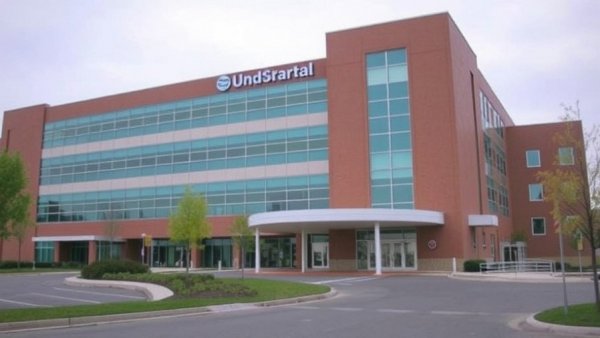
The Safety Landscape for New Jersey Hospitals
In a recent evaluation that has garnered attention across the healthcare spectrum, 36 New Jersey hospitals earned an impressive "A" grade in the latest Leapfrog Hospital Safety Grades released on November 18, 2026. This marks a significant improvement over the spring cycle, with seven more institutions achieving top marks for patient safety. New Jersey’s overall performance is notable, with 84% of its graded facilities receiving either an A or B, ranking the Garden State third nationally in terms of hospital safety, surpassed only by Connecticut and Utah.
Understanding Leapfrog’s Grading System
The Leapfrog Group, an independent non-profit organization focused on healthcare safety and quality, grades hospitals based on rigorous safety measures sourced from patient safety data and surveys. The criteria include up to 22 vital metrics, ensuring a comprehensive assessment of hospitals' operational standards. Remarkably, all 67 hospitals in New Jersey participated in the Leapfrog Hospital Survey, the highest rate in the nation, showcasing a commitment to transparency and quality improvement.
Local Implications and Community Impact
This achievement is more than just an accolade; it has significant implications for New Jersey residents. With patient safety standards at the forefront, communities can gain confidence in their local healthcare providers, knowing that the hospitals they rely on are held to high safety standards. The latest grades also underline the importance of having access to affordable, quality healthcare, particularly in today's climate where healthcare disparities are prevalent.
The enhanced safety ratings serve as vital indicators for policymakers and healthcare leaders, highlighting areas needing improvement in patient care and transparency. For families making decisions about their healthcare options, these grades offer insights that can influence where they seek treatment, making hospital safety a critical factor in their choice.
The Hospitals Leading the Charge
Notably, 17 of these hospitals have demonstrated exceptional consistency by achieving straight A's for five or more consecutive grading cycles. Facilities such as Community Medical Center and Hackensack University Medical Center exemplify leading examples, indicating strong institutional governance and effective medical center leadership. The consistent performance stands as a testament to their ongoing commitment to not only meet but exceed patient safety expectations.
Other notable institutions that earned top grades include Holy Name Medical Center in Teaneck and Morristown Medical Center, both of which have employed innovative strategies to improve patient outcomes. Their dedication to fostering a culture of safety is crucial in driving positive change across the state's healthcare landscape.
Recent Developments in New Jersey’s Healthcare System
In light of the fall grades, two institutions faced declines from spring to fall. Atlantic Health Hackettstown Medical Center dropped from an A to a C, while Atlantic Health Newton Medical Center slipped from an A to a B. These downturns serve as a crucial reminder that maintaining high safety standards is an ongoing challenge—even for facilities that have previously excelled. Hospital leaders and stakeholders must remain vigilant and continuously work on improving their practices to ensure that such dips in performance are not recurrent.
Upcoming Trends in Patient Safety
With this report, trends in hospital administration are becoming clearer. Increased emphasis on digital health records and telehealth consultations is expected, as hospitals leverage technology to enhance safety protocols and patient communications. The broader trend highlights a move towards more transparent healthcare practices and improved patient engagement, initiatives that can further elevate New Jersey’s standing in national health system rankings. To maintain their competitive edge and enhance patient safety, many hospitals are also looking at ways to incorporate more holistic approaches to care, addressing both physical and mental health aspects of treatment.
Looking Ahead: What This Means for New Jersey
The increase in hospitals receiving top safety grades is promising. However, the decline of certain hospitals serves as a wake-up call for all facilities within the state. Ensuring that health and wellness centers maintain high standards will require ongoing efforts from hospital administrations. The implications for future public health policy in New Jersey are profound, as state leaders and healthcare providers must collaborate to uphold and improve these standards.
As every New Jersey resident deserves safe healthcare, the importance of awareness around these grades cannot be understated. The continued success in hospital safety grades will directly influence community trust and quality of care available to patients across the state. Monitoring these institutions closely and providing them with the necessary support and guidance will be essential in maintaining this upward trajectory in patient safety.






Write A Comment