


Understanding the Healthcare Workforce Crisis
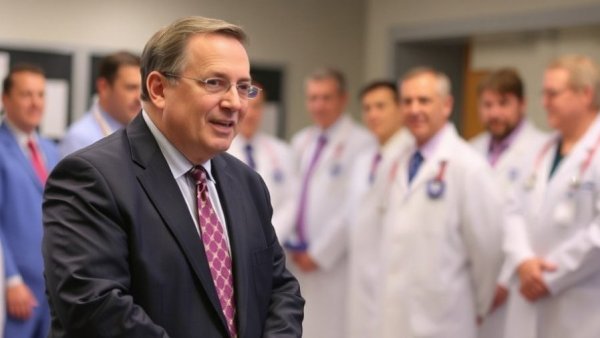
In recent discussions, Steve Adubato has hosted Michellene Davis, the President and CEO of National Medical Fellowships, to delve into one of New Jersey's most pressing concerns: the healthcare workforce shortage. With a growing population and increasing healthcare demands, this shortage poses a significant threat to patient care quality and overall health system functionality in the state. As communities expand and healthcare needs become more complex, the pressure on available resources intensifies, emphasizing the urgency of addressing this crisis.
Who’s Affected and Why It Matters
The healthcare workforce crisis does not just impact hospitals and clinics; it reverberates through entire communities. Patients are experiencing longer wait times for critical services, leading to frustration and potentially compromising patient outcomes. Providers are stretched thin, which results in burnout among medical staff and a decline in morale. This rapid pace can lead to significant turnover rates, complicating an already dire situation. For executives and policy leaders in New Jersey, maintaining the quality of healthcare services amidst this challenge is paramount. As leaders from major healthcare systems, like Hackensack University Medical Center, strategize to navigate these challenges, the importance of implementing innovative policies and responsive action becomes undeniably clear.
The Local Impact: A Tale of Urgency
New Jersey's unique demographic landscape—including a sizable elderly population and a diverse community of various cultural backgrounds—magnifies the urgency of workforce reform. Stakeholders must prioritize nursing home reforms and patient assistance protections to ensure that all New Jersey residents can access necessary services. In addition, focusing on preventive care and establishing community health programs can alleviate some of the strain on existing systems while ensuring that healthcare resources are utilized efficiently. Emphasizing patient safety standards and advocating for affordable medicine access can form the backbone of future healthcare strategies, ultimately leading to better health outcomes for residents across the state.
Expert Insights on the Future of Healthcare
Davis emphasized that to combat shortages, new healthcare pathways must emerge that engage a diverse workforce. This initiative is about more than just filling positions; it involves fostering a culturally competent workforce that reflects the communities it serves. By encouraging youth to pursue careers in medicine and supporting current professionals through mentorship programs, New Jersey can cultivate a robust healthcare environment for future generations. Programs aimed at high school students, internships, and scholarships for aspiring medical students will be pivotal in building a workforce equipped to meet evolving health demands. This proactive approach is essential not only for healthcare delivery today but also for sustaining it in the long term, ensuring that future healthcare providers are prepared to navigate both challenges and opportunities within the industry.
Community Health Initiatives: A Collaborative Approach
Engaging communities in health initiatives presents an opportunity for innovative solutions to the workforce problem. By promoting community health initiatives that foster volunteerism and collaboration with local universities, hospitals can tap into fresh talent while addressing critical community needs. Collaboration with educational institutions can lead to opportunities for workforce training and development that align with actual healthcare demand. Future predictions suggest that these collaborative efforts will reshape healthcare delivery models in New Jersey, encouraging partnerships not just between hospitals and universities but also amongst local businesses, nonprofits, and community leaders.
Next Steps: Moving Forward Together
As New Jersey navigates these unprecedented challenges, all stakeholders—from corporate executives to local community leaders—are called upon to lend their voices and influence. By advocating for comprehensive healthcare reforms and remaining engaged in community initiatives, we can work towards a sustainable healthcare future. The ongoing dialogue around this topic is crucial, as it shapes the policies that will guide our healthcare systems into the future. C-Suite executives, in particular, have the platform and authority to drive change through strategic investments and by being vocal advocates for necessary reforms.
Conclusion: The Importance of Involvement
The healthcare workforce shortage is not merely a statistic to be analyzed; it is a human issue that affects every New Jersey resident. In light of this, we encourage C-suite executives and policy leaders to remain vigilant, informed, and engaged in the ongoing discussions that will ultimately determine the triumphs and tribulations of healthcare in our state. Together, our efforts can lead to a healthier, more equitable future for all New Jerseyans. The involvement of every community member is vital, as real change often takes shape at the grassroots level, encouraging a collective approach that recognizes and addresses the diverse needs within our healthcare system.






Write A Comment