

FDA Issues Eye-Risk Warning for Popular GLP-1 Drugs: What It Means for Patients
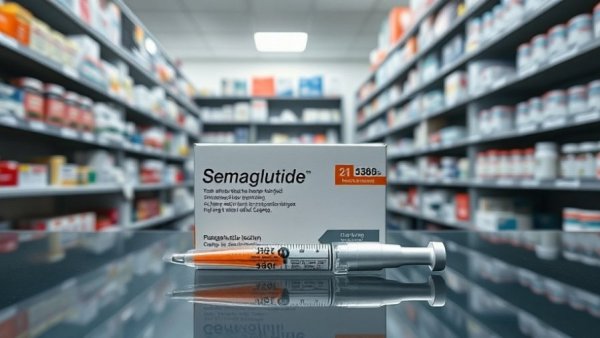
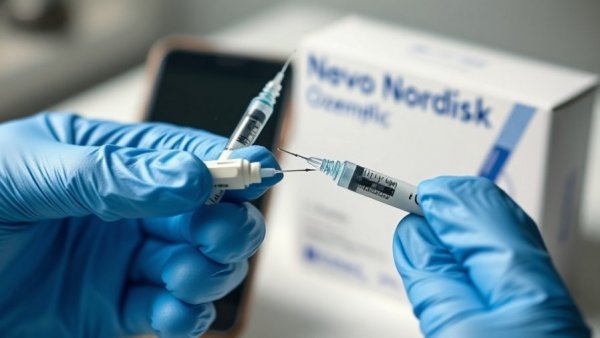
The U.S. Food and Drug Administration (FDA) has recently mandated that all manufacturers of GLP-1 receptor agonists, including popular medications like Ozempic, Wegovy, and Mounjaro, revise their safety labeling to include warnings about a rare eye condition known as non-arteritic anterior ischemic optic neuropathy (NAION). This action underscores a growing concern regarding patient safety as these drugs gain popularity among those seeking to manage obesity and diabetes.
Understanding NAION: A Rare but Serious Condition
NAION is characterized by a sudden, painless loss of vision associated with reduced blood flow to the optic nerve. Symptoms can manifest as blurred vision and blind spots, potentially leading to lasting impairment. The FDA’s decision was prompted by research indicating that users of semaglutide—an active ingredient in several GLP-1 medications—exhibit NAION at nearly double the rate compared to those on other forms of glucose-lowering treatments. The agency recorded approximately 6.4 NAION cases per 100,000 person-years among GLP-1 users, compared to 3.8 among users of placebo or alternative therapies.
The Implications for New Jersey Residents
Given the prevalence of GLP-1 drugs in weight-loss and diabetes management strategies, this warning raises critical considerations for the healthcare community in New Jersey. As healthcare leaders monitor patient safety standards, the ramifications of this regulatory caution will ripple through local health systems, including Hackensack University Medical Center and RWJBarnabas Health. C-Suite executives and policy leaders must now reevaluate patient assistance protections, ensuring that communication about potential side effects reaches both healthcare providers and patients effectively.
Increased Scrutiny and Legal Actions
The FDA’s warning coincides with a surge in lawsuits against pharmaceutical giants like Novo Nordisk and Eli Lilly, with nearly 280 NAION-related lawsuits consolidated in Philadelphia federal court. While a spokesperson for Novo has emphasized that current research does not definitively prove that GLP-1 drugs cause NAION, the agency’s findings certainly put significant pressure on these companies to address safety concerns transparently. As patients navigate their options for medication, it’s crucial to balance the benefits of weight loss against potential health risks.
Expectations Moving Forward: What Will Happen Next?
Healthcare stakeholders should remain vigilant in closely monitoring the evolving landscape of GLP-1 medications, taking into account both patient experiences and ongoing research developments. Possible next steps could include more extensive patient education programs on the risks associated with these therapies, improved drug monitoring protocols, and comprehensive community health initiatives aimed at enhancing patient safety. Additionally, healthcare lobby power may influence regulation and access to these essential medications.
Conclusion: An Urgent Call for Transparency in Patient Safety
As the implications of the FDA's warning unfold, it is imperative for all stakeholders—from pharmaceutical companies to healthcare providers and patients—to prioritize open communication about the risks associated with GLP-1 medications. The health of New Jersey’s communities relies on patient knowledge and a well-coordinated effort to ensure the safety and efficacy of treatments. Be aware, be informed, and consider potential alternative therapies as you navigate your health journey.





Write A Comment