


New Wave of Layoffs: Novo's Job Cuts Hit New Jersey
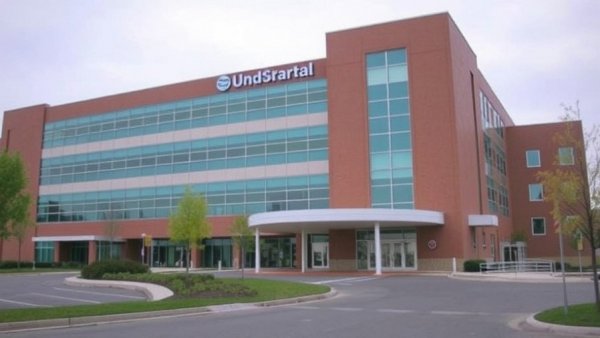
Novo Nordisk, the Danish pharmaceutical giant behind renowned GLP-1 medications, has announced another round of layoffs at its U.S. headquarters in Plainsboro, New Jersey. As reported, the company expects to cut 215 jobs by February 2027, marking the third significant wave of layoffs in the past year as part of a broader restructuring initiative aimed at adapting to shifting market demands and patient needs.
Context and Implications of Job Cuts
In a formal statement, a Novo spokesperson indicated that the decision was made after a comprehensive evaluation of the organization to ensure alignment with evolving commercial landscapes and therapeutic advancements. “Decisions that affect employees are never taken lightly, and we are treating impacted colleagues with respect and providing appropriate support throughout the transition,” they said. This move follows a previous announcement to streamline the U.S. sales organization, underscoring the company’s commitment to efficiency amid challenges from competitors like Eli Lilly and mounting pressure to maintain its market presence in the face of the critical patent expiration of its leading medication, semaglutide.
The Broader Workforce Impact
These layoffs reflect a concerning trend in the pharmaceutical industry, where companies attempt to remain profitable and competitive against rising operational costs and fierce competition. Novo has already seen a significant reduction in its workforce, having trimmed approximately 13,000 jobs since the beginning of its restructuring effort, aiming for annualized savings of around $1.3 billion by the end of 2026. With the headcount now down to about 67,000, it raises critical questions for health system leaders and policymakers in New Jersey about the sustainability of jobs in the sector and the balance between corporate efficiency and employee wellbeing.
Market Dynamics and Future Focus
As Novo prepares to scale back its workforce, it is simultaneously focused on innovating its product pipeline, pledging to launch at least five new blockbuster drugs by 2030. This ambitious strategy comes in response to increasing competition in the diabetes and weight management space, particularly from rivals who are enhancing their market strategies. For executives in New Jersey's healthcare sector, understanding these dynamics is crucial.
Impacts on Patient Care and Community Health
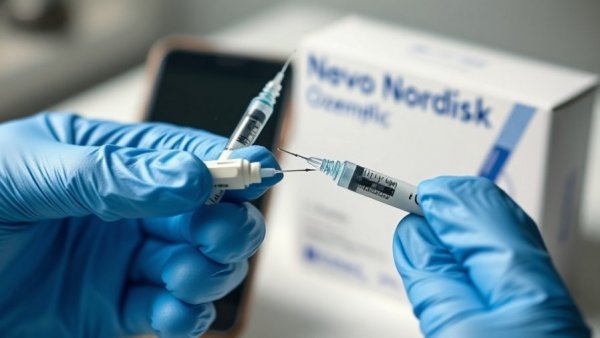
The potential loss of jobs within Novo impacts not only those directly affected but also the broader community reliant on these pharmaceutical innovations for diabetes care and weight management solutions. High-profile drugs such as Ozempic and Wegovy are considered essential elements of modern therapeutic regimens for patients battling these chronic conditions. As healthcare leaders, including administrators from major health systems like Hackensack University Medical Center and RWJBarnabas Health, monitor these changes, the implications extend into patient safety standards and access to affordable medicine.
The Local Perspective
For New Jersey residents, particularly those reliant on innovations in healthcare, the ongoing changes at Novo present a critical moment for local advocacy. Stakeholders must consider how these layoffs might influence not just employment opportunities but also the accessibility of crucial healthcare advancements in the region. As companies like Novo promise deep cuts while simultaneously committing to future launches, the balance between corporate strategy and community health resources continues to grow increasingly complex.
What Comes Next?
Looking ahead, healthcare insiders expect that Novo's strategies in the coming years will be closely watched. The local community will benefit from discussions around patient assistance protections and healthcare financing initiatives, especially as advancements in GLP-1 therapies continue to redefine treatment landscapes. Additionally, continuous monitoring from policy leaders will be crucial to uphold standards in patient safety amid these corporate transitions.
As Novo seeks to restructure and innovate, there exists an opportunity for dialogue among industry leaders about fostering a healthier economic environment for both employees and patients. The evolving landscape invites not just scrutiny but also collaboration to ensure that the strides made in patient care follow suit.





Write A Comment