
NJ Cryer logo
update
NJ Cryer
update
  • Home
  • Categories
    • Entertainment
    • local news
    • Music
    • Featured Towns & Regions Real Estate
    • Events & Festivals
    • Travel & Day Trip Ideas
    • Health care tips
    • Jersey Family Fun
    • Pets
    • Expert Highlights
August 27.2026
3 Minutes Read

Sanctuary Statehood in New Jersey: A Risk for Future Terrorism?

Twin Towers smoke 9/11 tragedy during attack

A Rise in State Authority: What Does Sanctuary Statehood Mean for New Jersey?

New Jersey is not just a state filled with historic diners and families; it's a battleground for political ideologies, especially as it grapples with the implications of sanctuary statehood. Governor Murphy, along with lawmakers like Mikie Sherrill, has pushed through policies that aim to create a protective environment for undocumented immigrants. Yet, this sanctuary status has raised significant concerns among residents who remember the lessons learned from history.

An Urgent Need for Clear Communication

Reflecting on the historical failures leading up to September 11, 2001, many wonder if New Jersey is walking a treacherous path again. The 9/11 Commission, spearheaded by former Governor Tom Kean Sr., conveyed how critical information-sharing among law enforcement agencies could have altered the course of events, possibly saving hundreds of lives. Our community is haunted by the reality that some hijackers found refuge in New Jersey, exploiting gaps in intelligence sharing to carry out their horrific acts. Today, some experts question whether the state’s current immigration policies echo these past failures, creating new vulnerabilities.

Civic Safety vs. Sanctuary Policy: A Delicate Balance

Many supporters of sanctuary policies argue that they enhance community safety by encouraging undocumented immigrants to report crimes without fear of deportation. But critics point to incidents like the recent arrests of suspected ISIS affiliates—who passed through our borders before links to terrorism became evident—as evidence that a lack of cooperation between local and federal law enforcement can endanger public safety. The stark reality remains: what if a local police encounter with an undocumented immigrant today reveals no known threats, only for them to later unearth critical intelligence? Without effective communication, could New Jersey once again find itself at the mercy of preventable tragedies?

Public Concerns and Political Ramifications

The political landscape in New Jersey is charged for several reasons. Many citizens are frustrated with the Democratic establishment regarding issues like property taxes and the state's handling of education funding. Conservative voices, including notable commentators like Matt Rooney from Save Jersey, are vocalizing concerns over how sanctuary statehood affects not just security, but also how resources are allocated and managed across the state. The ongoing debates about affordability in NJ blend into the discourse, making residents evaluate whether sanctuary policies truly serve the broader interests of all communities.

Preparing for 2024: What Lies Ahead?

As the 2024 electoral cycle looms, voters are more engaged than ever. Issues regarding the state and national implications of sanctuary policies will likely become pivotal in gubernatorial primaries and legislative races. Conservative and Republican candidates, including potential contenders Jack Ciattarelli and others, will need to address these issues head-on to garner support from frustrated constituents. For families worried about small business taxes and public safety, clarity on how these policies impact their lives is crucial. Will New Jersey politics embrace openness, or will bureaucracy reign supreme?

Action for New Jersey Residents

Debates around sanctuary policies bring emotion and urgency to the forefront. As residents, it's crucial to remain informed and engaged. This complex issue connects directly to our lives—our taxes, our schools, and our communities. Attend local meetings, speak with representatives, and voice your concerns. With potential policy shifts on the horizon, how we navigate discussions about sanctuary policies can shape our future.

As New Jersey progresses through these challenging times, vigilance and engagement from every citizen remain essential. Together, we can foster an informed community that prioritizes safety, transparency, and shared comfort.

Ultimately, whether you see sanctuary policies as essential for protecting immigrant rights or as threats to state security, knowing the facts will empower you to make educated decisions in the upcoming elections.
local news

8 Views

Write A Comment

*
*
Please complete the captcha to submit your comment.
Related Posts All Posts
11.25.2026

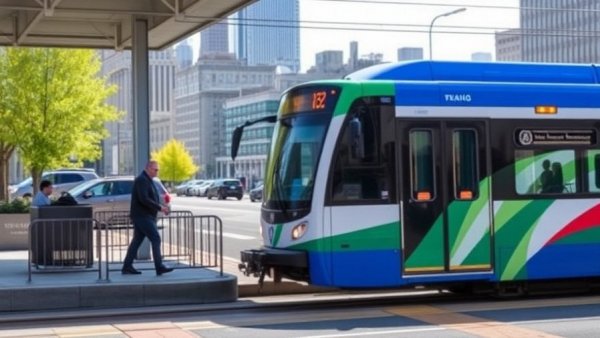
The Debate on NJ Transit Funding: Should We Repeal the Tax?

Update The Battle Over NJ Transit Funding: A Fiscal Tug-of-War New Jersey’s ongoing debate over the transit funding tax has sparked discussions that reach beyond just economics; it delves into the future of public transportation and the state’s business landscape. As NJ Transit inches closer to its funding expiration date in 2028, the future financial health of the agency hangs in the balance. Understanding the Corporate Transit Fee In 2024, the New Jersey government enacted the corporate transit fee aimed at generating stable funding for NJ Transit. The surcharge on corporations with taxable incomes exceeding $10 million has contributed more than $765 million annually, essential for supporting NJ Transit’s operating budget, which surpasses $3.5 billion. Supporters, like Peter Chen of New Jersey Policy Perspective, laud its success, noting how it directly correlates to improved transit services. “It has done exactly what was advertised,” Chen insists, positioning the fee as a lifeline for public transportation amid rising operating costs exacerbated by inflation and a post-pandemic recovery phase. Legislative Pushback: Concerns About Business Climate However, a growing faction of lawmakers, primarily Republicans, argues that high corporate taxes—including the transit fee—are driving businesses out of the state. Senator Michael Testa voices these concerns, declaring, “New Jersey’s business taxes are among the highest in the nation,” urging a repeal of the transit fee. Their perspective stems from a desire to enhance New Jersey’s economic competitiveness and attract new employers exhausted by the cost of doing business in the Garden State. What Happens Next? Future Predictions and Implications As key legislators explore the possibility of repealing the corporate transit fee as part of a broader tax reform initiative intended to lower overall corporate tax rates, analysts grapple with the implications. A repeal could likely ease some burdens on businesses but at what cost? With the landscape of New Jersey public policy constantly shifting, a potential rollback of the transit fee would demand scrutiny over how it affects NJ Transit’s budgetary stability and consequently, public transportation quality. Transportation advocates fear that diminishing funds would lead to service cuts and increased fares, impacting thousands of commuters. The Community Impact: Why This Matters For many, public transit isn’t just a matter of economics—it's about access to jobs, education, and essential services. The repercussions of these legislative decisions are deeply woven into the fabric of local communities and impact mobility for countless New Jersey families. It’s crucial for civic leaders to consider not just the immediate fiscal consequences, but the broader societal implications of their decisions on public infrastructure. Your Role in Shaping New Jersey Transit’s Future Civic involvement is paramount. As state and local policymakers navigate these turbulent waters, citizen advocacy can be instrumental in voicing the importance of a robust public transportation system. Engaging in discussions, attending town hall meetings, and connecting with local representatives about these issues can offer a direct pathway to influence change. Your perspective as a New Jersey resident matters immensely in shaping an environment where both businesses and public services can thrive. In conclusion, as New Jersey grapples with this pivotal choice, it invites an essential dialogue on balancing business interests and sustaining vital public services. Take action now, stay informed, and participate in the conversation about the future of New Jersey Transit and its critical role in our thriving communities.

11.25.2026

Reclaiming NJ-07: Restoring Republican Voter Trust by Addressing 20,692 Lost Votes

Update Unpacking NJ-07: The Republican Challenge As the dust settles from the recent elections, one number stands out prominently in the minds of New Jersey Republicans: 20,692. This represents the margin by which Republicans lost in Warren County and part of Sussex County during the 2024 congressional elections. With Representative Rebecca Bennett winning these areas, it's clear that the GOP needs to reassess its strategies if it hopes to reclaim the NJ-07 seat in future elections. What Happened in NJ-07? The results of the 2024 elections highlighted a disturbing trend for the Republicans in NJ-07. In the presidential election, Donald Trump edged out Kamala Harris by a mere 1.2% margin. However, Tom Kean Jr. managed to secure over 51% of the vote against Democrat Sue Altman, showing a glimmer of hope for the GOP. But fast-forward to 2026, where Rebecca Bennett swept the race with an alarming 57.6% of the vote— a stark contrast to Kean's earlier win. Why This Matters: Implications for Future Elections This dramatic shift signifies not just a loss of localized support but hints at broader systemic issues within the Republican Party in New Jersey. Losing ground in Warren and Sussex, traditional Republican strongholds, suggests that the GOP must work harder to engage suburban voters who feel disconnected from the party platform. For Republicans eager to take back control in 2028, understanding the narrative and sentiments in these counties is pivotal. The Suburban Shift: What Changed? The data reflects a critical turning point. In towns like Hackettstown and Sparta, both of which voted Republican in 2022, Bennett flipped these districts to Democrat victories by considerable margins. This shift illustrates that the suburban constituency is not solely swayed by national trends but is also reacting to local issues, such as property taxes and school funding—key topics resonating with working families. Engaging the Voter: Strategies for Republicans To regain ground, Republicans need to produce surplus votes, not just in Warren and Sussex but also in counties like Hunterdon and Morris. Key figures such as Bridgewater Mayor Matt Moench could be the candidates capable of rallying support in these critical areas. His local ties allow him to present a compelling case to voters disenchanted with recent Democratic policies. Key Challenges Ahead: Voter Turnout and Engagement Another critical element is voter turnout. Republicans can no longer rely on past advantages. Dominating towns like Readington and Roxbury will be crucial, with the goal of rejuvenating the base while appealing to undecided voters. The GOP's outreach strategies must reflect a deeper understanding of local demographics, shifting needs, and broader economic challenges affecting daily lives, emphasizing affordability and local governance over partisan battles. Counterarguments: Will 2028 Be Different? While some argue that the 2028 presidential election could sway voters back to Republican ideals, betting solely on presidential turnout could be a risky strategy. The challenge for the GOP will be to directly address the concerns that led voters to shift toward Democrats in 2026, focusing on real solutions for property taxes, education, and public services. Next Steps for the NJ GOP: Concrete Actions The road to recovery for New Jersey Republicans does not merely involve strategizing for upcoming elections; it requires meaningful engagement with constituents on pressing issues. Whether through town hall meetings, community-based initiatives, or transparent dialogues about policy impacts, the NJ GOP must demonstrate a commitment to understanding and advocating for the welfare of New Jersey residents. As 2028 approaches, the NJ Republican Party has an opportunity to bounce back by re-establishing connections with traditional voters while expanding to appeal to suburban residents and working families. A successful campaign will necessitate a holistic approach that combines effective local messaging with national party strategies.

11.25.2026

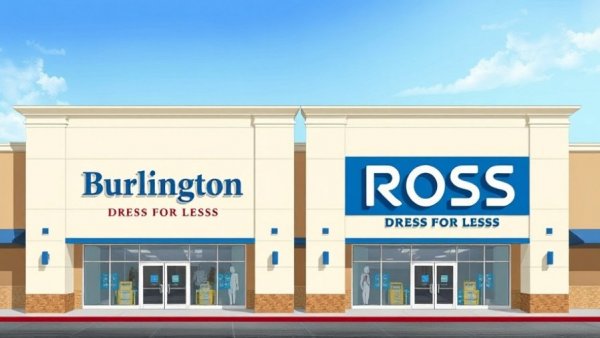
Edison Crossroads Welcomes Ross and Burlington: Retail Revival for New Jersey

Update Transforming Edison Crossroads: New Retail Arrivals on Route 1 In a significant move for Edison’s retail landscape, the former Stop & Shop location at Edison Crossroads will soon see new life as two popular discount retailers, Ross Dress for Less and Burlington, take over the space. This development marks a rejuvenation for the shopping center on Route 1, enhancing consumer options and promising a fresh shopping experience for local residents. What’s New? Details on the Transition RIPCO Real Estate confirmed on November 23 that Ross will occupy 27,487 square feet, while Burlington will take up 28,373 square feet of the property at 1049 U.S. Highway 1 S. This transition is expected to bring Edison Crossroads to full occupancy by mid-to-late 2027. "Ross and Burlington are strong additions to the tenant mix," noted RIPCO executive Steven Winters, indicating that the new stores aim to fulfil local demand for budget-friendly retailers. Implications for the Local Economy The arrival of Ross and Burlington is an important development for Edison and the surrounding areas, particularly following the closure of Stop & Shop in 2024 amid an industry-wide reevaluation of store performance. The transformation of this space into discount clothing and home goods retailers not only aims to fill a gap left by the grocery store but also signals a positive shift in the retail economy of Middlesex County. Community Connection: Why It Matters With Edison Crossroads registering around 80,000 vehicles daily, the strategic placement of these retailers is anticipated to pull in a significant customer base. The center’s proximity to Interstate 287, coupled with a dense population—over 310,000 individuals within five miles—positions it as a highly viable shopping destination, impacting not only consumer habits but also traffic patterns and local business dynamics. Potential Future Developments and Local Impact Adding to the mix, Boot Barn recently opened a 15,000-square-foot store at Edison Crossroads earlier this year, indicating a current trend in retail growth for the area. The ongoing development and leasing momentum suggest that more national retailers may find the region attractive, leading to enhanced economic growth and job opportunities. "Retailers remain active when the real estate and location align with how they want to reach their customers," remarked Mike Horne, another RIPCO executive involved in the project. Looking Ahead: What’s Next for Edison Crossroads? As Ross and Burlington prepare to open their doors, the community can expect an increase in foot traffic and sales, likely benefiting other local businesses. This redevelopment could also spark further interest from retailers seeking to capitalize on the shopping center's growing reputation. Residents will be watching closely to see how this revitalization benefits their shopping experiences and the local economy as a whole. In conclusion, the transformation of Edison Crossroads not only highlights a shift in the retail landscape with the introduction of accessible shopping options but also serves as a beacon of potential growth for other national and regional businesses. As developments continue, local shoppers can look forward to a revitalized shopping environment that meets their needs.

cropper
update
NJ Cryer
cropper
update

All things Jersey—your go to source

  • update
  • update
  • update
  • update
  • update
  • update
  • update

COMPANY

  • Privacy Policy
  • Terms of Use
  • Advertise
  • Contact Us
  • Menu 5
  • Menu 6

732-481-2331

AVAILABLE FROM 8AM - 5PM

City, State

715 Zlotkin Circle, suite # 7, freehold, New Jersey

ABOUT US

WE provide information about news and all things New Jersey

© 2026 CompanyName All Rights Reserved. Address . Contact Us . Terms of Service . Privacy Policy

Terms of Service

Privacy Policy

Core Modal Title

Sorry, no results found

You Might Find These Articles Interesting

T
Please Check Your Email
We Will Be Following Up Shortly
*
*
*