


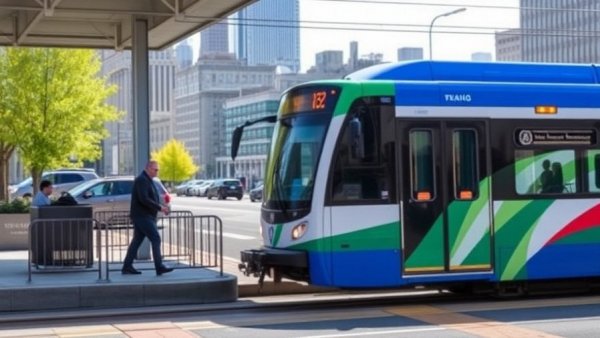
The Battle Over NJ Transit Funding: A Fiscal Tug-of-War
New Jersey’s ongoing debate over the transit funding tax has sparked discussions that reach beyond just economics; it delves into the future of public transportation and the state’s business landscape. As NJ Transit inches closer to its funding expiration date in 2028, the future financial health of the agency hangs in the balance.
Understanding the Corporate Transit Fee
In 2024, the New Jersey government enacted the corporate transit fee aimed at generating stable funding for NJ Transit. The surcharge on corporations with taxable incomes exceeding $10 million has contributed more than $765 million annually, essential for supporting NJ Transit’s operating budget, which surpasses $3.5 billion.
Supporters, like Peter Chen of New Jersey Policy Perspective, laud its success, noting how it directly correlates to improved transit services. “It has done exactly what was advertised,” Chen insists, positioning the fee as a lifeline for public transportation amid rising operating costs exacerbated by inflation and a post-pandemic recovery phase.
Legislative Pushback: Concerns About Business Climate
However, a growing faction of lawmakers, primarily Republicans, argues that high corporate taxes—including the transit fee—are driving businesses out of the state. Senator Michael Testa voices these concerns, declaring, “New Jersey’s business taxes are among the highest in the nation,” urging a repeal of the transit fee. Their perspective stems from a desire to enhance New Jersey’s economic competitiveness and attract new employers exhausted by the cost of doing business in the Garden State.
What Happens Next? Future Predictions and Implications
As key legislators explore the possibility of repealing the corporate transit fee as part of a broader tax reform initiative intended to lower overall corporate tax rates, analysts grapple with the implications. A repeal could likely ease some burdens on businesses but at what cost?
With the landscape of New Jersey public policy constantly shifting, a potential rollback of the transit fee would demand scrutiny over how it affects NJ Transit’s budgetary stability and consequently, public transportation quality. Transportation advocates fear that diminishing funds would lead to service cuts and increased fares, impacting thousands of commuters.
The Community Impact: Why This Matters
For many, public transit isn’t just a matter of economics—it's about access to jobs, education, and essential services. The repercussions of these legislative decisions are deeply woven into the fabric of local communities and impact mobility for countless New Jersey families. It’s crucial for civic leaders to consider not just the immediate fiscal consequences, but the broader societal implications of their decisions on public infrastructure.
Your Role in Shaping New Jersey Transit’s Future
Civic involvement is paramount. As state and local policymakers navigate these turbulent waters, citizen advocacy can be instrumental in voicing the importance of a robust public transportation system. Engaging in discussions, attending town hall meetings, and connecting with local representatives about these issues can offer a direct pathway to influence change. Your perspective as a New Jersey resident matters immensely in shaping an environment where both businesses and public services can thrive.
In conclusion, as New Jersey grapples with this pivotal choice, it invites an essential dialogue on balancing business interests and sustaining vital public services. Take action now, stay informed, and participate in the conversation about the future of New Jersey Transit and its critical role in our thriving communities.






Write A Comment