


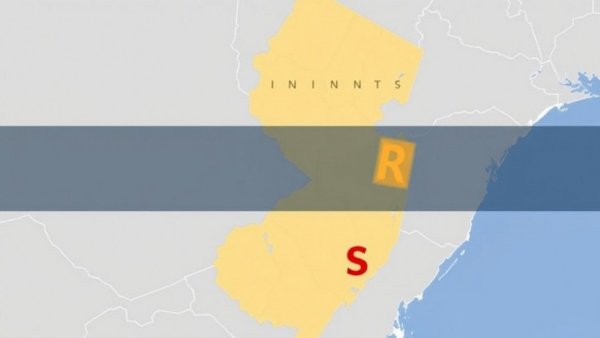
Unpacking NJ-07: The Republican Challenge
As the dust settles from the recent elections, one number stands out prominently in the minds of New Jersey Republicans: 20,692. This represents the margin by which Republicans lost in Warren County and part of Sussex County during the 2024 congressional elections. With Representative Rebecca Bennett winning these areas, it's clear that the GOP needs to reassess its strategies if it hopes to reclaim the NJ-07 seat in future elections.
What Happened in NJ-07?
The results of the 2024 elections highlighted a disturbing trend for the Republicans in NJ-07. In the presidential election, Donald Trump edged out Kamala Harris by a mere 1.2% margin. However, Tom Kean Jr. managed to secure over 51% of the vote against Democrat Sue Altman, showing a glimmer of hope for the GOP. But fast-forward to 2026, where Rebecca Bennett swept the race with an alarming 57.6% of the vote— a stark contrast to Kean's earlier win.
Why This Matters: Implications for Future Elections
This dramatic shift signifies not just a loss of localized support but hints at broader systemic issues within the Republican Party in New Jersey. Losing ground in Warren and Sussex, traditional Republican strongholds, suggests that the GOP must work harder to engage suburban voters who feel disconnected from the party platform. For Republicans eager to take back control in 2028, understanding the narrative and sentiments in these counties is pivotal.
The Suburban Shift: What Changed?
The data reflects a critical turning point. In towns like Hackettstown and Sparta, both of which voted Republican in 2022, Bennett flipped these districts to Democrat victories by considerable margins. This shift illustrates that the suburban constituency is not solely swayed by national trends but is also reacting to local issues, such as property taxes and school funding—key topics resonating with working families.
Engaging the Voter: Strategies for Republicans
To regain ground, Republicans need to produce surplus votes, not just in Warren and Sussex but also in counties like Hunterdon and Morris. Key figures such as Bridgewater Mayor Matt Moench could be the candidates capable of rallying support in these critical areas. His local ties allow him to present a compelling case to voters disenchanted with recent Democratic policies.
Key Challenges Ahead: Voter Turnout and Engagement
Another critical element is voter turnout. Republicans can no longer rely on past advantages. Dominating towns like Readington and Roxbury will be crucial, with the goal of rejuvenating the base while appealing to undecided voters. The GOP's outreach strategies must reflect a deeper understanding of local demographics, shifting needs, and broader economic challenges affecting daily lives, emphasizing affordability and local governance over partisan battles.
Counterarguments: Will 2028 Be Different?
While some argue that the 2028 presidential election could sway voters back to Republican ideals, betting solely on presidential turnout could be a risky strategy. The challenge for the GOP will be to directly address the concerns that led voters to shift toward Democrats in 2026, focusing on real solutions for property taxes, education, and public services.
Next Steps for the NJ GOP: Concrete Actions
The road to recovery for New Jersey Republicans does not merely involve strategizing for upcoming elections; it requires meaningful engagement with constituents on pressing issues. Whether through town hall meetings, community-based initiatives, or transparent dialogues about policy impacts, the NJ GOP must demonstrate a commitment to understanding and advocating for the welfare of New Jersey residents.
As 2028 approaches, the NJ Republican Party has an opportunity to bounce back by re-establishing connections with traditional voters while expanding to appeal to suburban residents and working families. A successful campaign will necessitate a holistic approach that combines effective local messaging with national party strategies.







Write A Comment