


Is New Jersey’s Business Climate Really Changing?
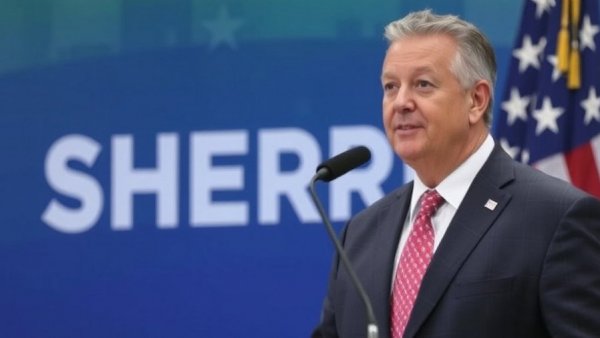
Governor Mikie Sherrill has rolled out her latest initiative, dubbed "New Jersey Means Business," aiming to revamp the state’s daunting business environment. However, early impressions suggest that underneath the buzzwords lies a familiar pattern of bureaucratic expansion rather than meaningful economic reform.
A 24-Page Executive Order: What’s in the Details?
On Tuesday, Governor Sherrill formally signed Executive Order No. 28, which outlines a 24-page framework for improving the business landscape within New Jersey. While the council's ambitions are commendable, the plan has sparked skepticism among residents and business owners alike. Critics question how many committees and reports it will take before there are substantial changes in policies governing taxes, fees, and business regulations.
New Committees, But What’s the Outcome?
The new Economic Development Council introduced by Sherrill will be filled with representatives from various state departments to oversee subcommittees that will focus on recommendations for reducing costs associated with business operations. However, one could argue that New Jersey businesses are tired of more studies and committees. They are acutely aware of their challenges—high property taxes, expensive utility costs, and lengthy approval processes. These issues require actionable solutions, not more discussions.
Transparency in Question: A Shield Against Public Scrutiny
Another troubling aspect of the executive order is its inclusion of a section that could shield critical economic data and communications from public review. This section states that reports generated through Sherrill's initiative will be considered "confidential" and excluded from the Open Public Records Act (OPRA). This raises eyebrows, as many argue that governmental transparency is crucial when public funds and policies are at stake. The implications of this confidentiality could extend far beyond simple reports, affecting the public's ability to hold government accountable.
Affordability: The Growing Challenge for New Jersey Residents
Amid all this political maneuvering, many New Jersey residents and small business owners continue to bear the brunt of rising costs. As Matt Rooney from Save Jersey blog points out, those who are deeply entrenched in New Jersey’s economic landscape understand that flashy slogans won't change the reality of their financial burdens. A real desire for change must evolve into firm commitments to lower operational costs, streamline regulations, and improve the overall climate for affordability in New Jersey.
A Listening Ear: What Business Owners Are Saying
Business owners across the state have voiced their concerns over the complexities of operating in New Jersey. From the perspective of small business owners, the persistent issue of high costs intersecting with cumbersome regulations feels like a continual battle. One restaurant owner noted that the long approval process for outdoor seating permits made it nearly impossible to capitalize on summer tourism – a critical revenue source for their livelihood. These firsthand accounts highlight the urgency for practical reforms and a shift from endangering future investments to fostering a more business-friendly environment.
What Lies Ahead for New Jersey’s Economic Future?
Looking ahead, the question remains: will the Sherrill administration take the difficult steps necessary to cut taxes and redefine New Jersey’s business reputation? The upcoming recommendations from state officials will be crucial in determining whether this economic initiative is more than just a series of meetings. It also poses a fundamental question for the Sherrill administration: will they be bold enough to confront powerful interests that benefit from the status quo?
As residents await the results of this initiative, they’re encouraged to stay vigilant and engaged. It is crucial for constituents to voice their needs and concerns as recommendations are drafted and debated. The effectiveness of this initiative will ultimately depend on active participation from the public and a willingness to challenge existing practices. Whether Sherrill's "New Jersey Means Business" becomes a genuine step towards reform or remains simply a slogan will likely be revealed in the coming months.





Write A Comment