


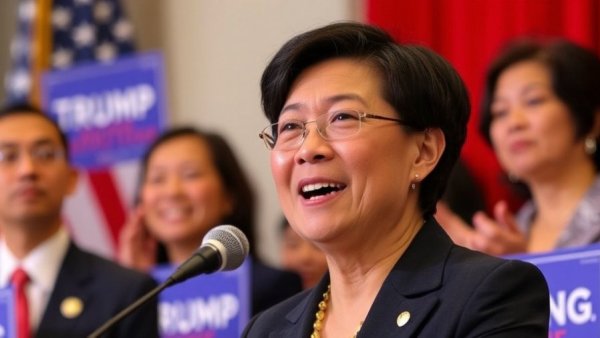
The Blue Wave: Asian Americans Steer New Jersey Elections
In the recent midterm elections, Asian Americans in New Jersey played a significant role in voting trends, indicating a clear shift towards the Democratic Party. According to exit polling conducted by the Asian American Legal Defense and Education Fund (AALDEF), an impressive 87% of Asian American voters supported Democratic Senator Cory Booker, reflecting a notable swing compared to past elections.
Understanding the Shift in Voting Trends
This wave of support for the Democratic candidate marks the highest percentage since the last two New Jersey elections, where key Democratic figures faced formidable competition. In the 2025 poll, a resounding 82% of Asian Americans expressed their backing for Democratic Governor Mikie Sherrill, showcasing the community’s growing alignment with progressive policies.
Despite the previously mixed responses during the 2024 elections—where only 52% of Asian American voters supported Kamala Harris against Donald Trump—the latest results suggest a liberal pivot among this demographic. Polling sites in areas like Palisades Park and Edison reported a significant percentage of Asian Americans shifting their political allegiance towards the left, demonstrating an increasing commitment to progressive values.
Key Issues That Matter Most to Asian Americans
The AALDEF exit polls revealed that affordability and the economy emerged as top concerns for Asian American voters. With 41% of respondents prioritizing democracy and 40% citing healthcare, it’s clear that these topics resonate deeply within the community. The perceived need for change regarding immigration issues was also highlighted, albeit less prominently than in past elections.
The focus on economic stability reflects shared anxieties about inflation and job security, which are critical issues as New Jersey continues to navigate complex economic landscapes.
Facing Barriers to Voting
Despite significant engagement from the Asian American community during this election cycle, barriers at the polls surfaced as a pressing concern. A staggering 53% of Asian Americans reported being asked for identification, even though New Jersey law does not require this. Furthermore, reports of law enforcement presence at polling sites, along with language access issues, created an atmosphere of intimidation that hindered some voters' abilities to exercise their rights freely. These barriers not only dampen voter turnout but also raise essential questions about the accessibility of the electoral process for diverse populations.
Inspiring Voices from the Community
During a post-election discussion at Princeton University, former state representative Sadaf Jaffer emphasized the significance of the results, stating that voters are demanding progressive change—clearly indicated in their choices at the polls. Jaffer’s comments highlight the desire among constituents for policies addressing healthcare and climate issues, marking a pivotal moment for progressive advocacy.
Looking to the Future
As the fastest-growing demographic in New Jersey, the Asian American voting bloc is proving to be a powerful force in shaping state policies and elections. Organizations like AAPI New Jersey are calling for enhanced measures to protect voters from barriers and to ensure equitable access to the polls. With the next gubernatorial race on the horizon in 2025, how these issues are addressed will be vital in maintaining their support.
The upcoming elections will not only determine the future of leadership in New Jersey but also reflect the increasingly diverse voices that are shaping community needs and aspirations. The momentum of Asian Americans closing ranks around progressive causes signals significant implications for local public policy, as policymakers must engage with these constituents thoughtfully and proactively to this critical voting demographic.
As residents of New Jersey, it’s essential to stay informed and involved in the political process. To learn more about how you can amplify your voice and advocate for the issues that matter in your community, consider engaging with local civic organizations and participating in dialogues about policies that affect your life.







Write A Comment