


New Jersey's Adam Hamawy: A Controversial Voice on Foreign Policy
New Jersey's political landscape has taken a bold turn with the election of Democratic congressman-elect Adam Hamawy, whose recent comments on Iran during a CNN interview sparked concern and debate within Republican circles. Instead of categorically labeling Iran as an adversary, Hamawy echoed sentiments suggesting that the U.S. might bear some responsibility for escalating tensions.
What Happened During the CNN Interview?
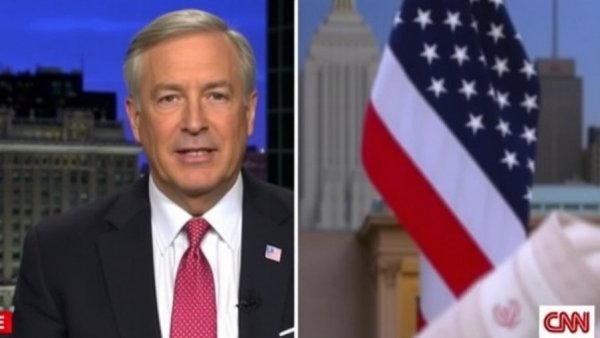
In a notable segment with CNN anchor Pamela Brown, Hamawy was pressed to clarify whether he perceived Iran as a threat to the United States. To the surprise of many viewers, especially those within conservative circles, he refrained from addressing Iran as an adversary. He remarked, "We pushed them into a fight," underscoring his belief that the U.S. should focus on establishing friendship over enmity.
The exchange intensified as Brown highlighted Iran's history of hostility towards the U.S., pointing out the regime's calls for America's destruction and its involvement in the deaths of numerous Americans. Despite these points, Hamawy maintained his stance, redirecting the conversation towards the concept of mutual blame rather than outright condemnation of Iran.
Who is Adam Hamawy?
Hamawy, who represents New Jersey’s 12th Congressional District, won his election decisively, capturing roughly 70% of the vote. His political backing stems from notable figures like Bernie Sanders and Alexandria Ocasio-Cortez, which positioned him as a prominent voice within the progressive wing of the Democratic Party. Notably, his military background as a former Army combat surgeon who worked alongside future U.S. Senator Tammy Duckworth adds complexity to his public persona.
Why Does This Matter to New Jersey Residents?
Hamawy’s comments on Iran are not only contentious but also resonate deeply within the broader narrative of New Jersey's political climate, which is often heavily debated among its residents. For many New Jerseyans, particularly conservatives frustrated with the Democratic establishment and seeking affordable living conditions in New Jersey, Hamawy's statements could be perceived as detrimental or misguided.
Residents concerned about the global implications of foreign policy are likely to question how Hamawy's stance aligns with national security and regional stability. For constituents who prioritize a strong and clear foreign policy, his reluctance to label adversaries can create anxiety about America's image and strength on the world stage.
Local Reaction and Broader Implications
The reaction from the GOP in New Jersey has been swift, with many voicing their concerns about Hamawy's lack of clear acknowledgment regarding Iran's threat. Political figures and analysts suggest that his comments could deepen divisions not just within the political arena but also among the constituents, leading to heightened voter engagement and activism in the coming election cycle.
As the Midterm elections approach, the implications of Hamawy's statements may mobilize conservative grassroots efforts against him, reflecting a growing trend of voter engagement among Republicans disenchanted with Democratic policies in areas such as school funding, property taxes, and overall affordability.
Next Steps: What’s Next for Hamawy?
As Hamawy prepares to assume office in January, his future will be closely watched both by supporters and critics. Political maneuvering on issues like the Parents' Bill of Rights, school transparency, and even New Jersey's gas-powered vehicle ban will be indicative of how he balances his progressive ideals with the demands of his constituents. Given the heightened scrutiny, particularly from those aligned with conservative news outlets like Save Jersey, Hamawy’s every move could shape the political landscape leading up to the next gubernatorial primary.
The future remains uncertain as he grapples with the intense political scrutiny and complex national and international issues that lie ahead. The coming months will reveal how Hamawy engages with adversarial politics and whether he can navigate the challenges without alienating any segment of his voter base.






Write A Comment