


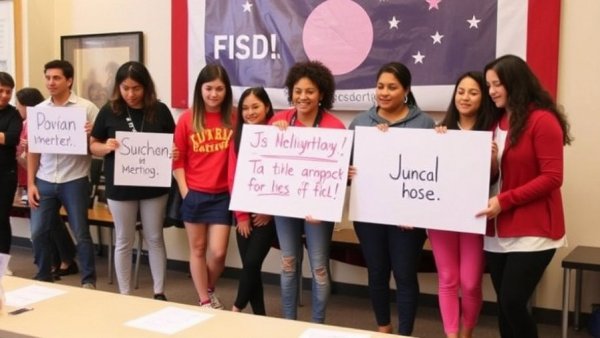
Understanding the Landscape of Youth Engagement in NJ
The youth voter registration trend in New Jersey prompts alarming concerns. Following the recent elections, it became evident that voter registration among individuals aged 18 to 29 has dipped by 5% compared to the midterm elections of 2022. This decline is even more pronounced among newly eligible voters, with nearly 40% fewer young people registering to vote for the first time. As state and local policymakers, educators, and civic leaders look toward the future, it’s vital to address the barriers young voters face and empower them to participate actively in the democratic process.
A New Paradigm: Civic Education as the Catalyst for Change
One promising approach to inverting this trend is the legislative push for enhanced civic education in New Jersey schools. Beth Rubin, a professor at Teachers College, Columbia University, is leading a significant initiative known as the Civically Engaged Districts Project. This program aims to foster civic engagement among youth, particularly in historically underserved districts. The success of this initiative hinges on the commitment of schools to implement robust civics programs that encourage students not just to learn about democracy, but to actively participate in it.
The Voices of Youth Matter in Democracy
Young voices are crucial to shaping the future of New Jersey. Take, for instance, Power Chiles, a 17-year-old senior at Plainfield High School. He articulately expresses a sentiment shared by many young individuals, believing that without their votes, they risk being marginalized in discussions that directly impact their lives. “If you have strong opinions about politics or issues in your community, you must go to vote because, if not, nothing’s going to change,” he emphasizes.
Connecting Community Initiatives to Civic Engagement
Community leaders and educators can capitalize on the current enthusiasm among youth, coupled with civic programs, to enhance voter registration efforts significantly. Initiatives that engage young people in community service projects often lay a strong foundation for political participation. By fostering empathy and understanding, these experiences encourage them to see voting as an extension of their responsibilities to their communities.
Looking Ahead: The Future of Youth Voting in NJ
While the immediate data might appear troubling, the groundwork laid by education stakeholders is setting the stage for a more engaged voting populace. With New Jersey’s law mandating civic education beginning with high school students reaching its five-year mark, the possibility of seeing a shift in voting patterns emerges. Policymakers have to remain vigilant in creating conducive environments for young voices to be heard—whether through inclusive civic programs, voter registration drives, or even local policies that allow youth greater roles in governance.
Call to Action: Civic Leaders Must Unite to Amplify Youth Voices
As civic leaders, educators, and concerned citizens, it’s time to rally and foster a culture of voting among youth in New Jersey. Engaging strategies such as mentorship programs, advocacy for accessible voting methods, and community discussions about the importance of civic participation can revive youth interest in the electoral process. Let’s ensure that our local constituencies cultivate an environment where every young person feels empowered to not only vote but to advocate for change in their communities.







Write A Comment