


Reflecting on a Year of Governance
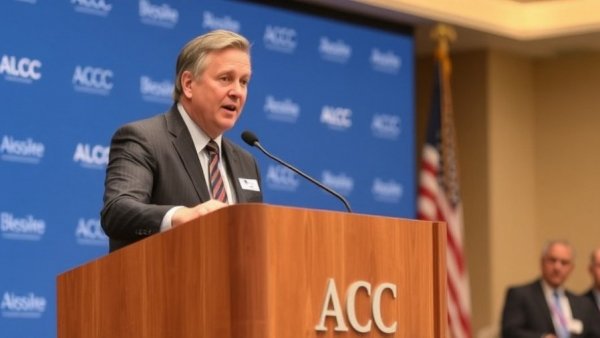
As New Jersey Governor Mikie Sherrill addressed municipal leaders at the annual New Jersey League of Municipalities conference in Atlantic City, she encapsulated a pivotal year filled with challenges and accomplishments. Her speech not only looked back at her administration's efforts but also set the stage for future initiatives, resonating with local leaders facing pressing issues in their communities. This annual event, which draws elected officials from every corner of the state, serves as a critical platform for discussing innovative solutions to challenges affecting municipalities.
Weathering the Storm: Lessons in Crisis Management
Sherrill recollected her initial days in office, notably highlighting the impact of a severe late-January snowstorm that prompted a swift response from public servants across New Jersey. “In that moment of crisis, I witnessed how our exceptional public servants banded together to ensure safety and service,” she remarked. This reflection underscored the importance of collaboration between state and local entities during emergencies, a theme that permeated her address. The experience became a case study in effective crisis management, reinforcing the need for preparedness and resilience within government structures.
Addressing the Elephant in the Room: Employee Benefit Costs
Among the pressing concerns raised during the conference was the significant rise in employee health premium costs, indicating a larger trend impacting public sector budgets. Sherrill acknowledged this issue, sharing her commitment to establishing a working group aimed at identifying solutions to the problem that has clouded fiscal planning for local governments. The focus on sustaining affordable health benefits is imperative, especially in an era where many public employees are feeling the financial strain. This commitment comes at a time when many municipalities are grappling with tight budgets, and diminishing resources are making it increasingly difficult to address rising health care costs effectively.
Innovation in Governance: A Focus on Data Centers
In an age driven by technology, Sherrill also spotlighted her administration's initiatives to regulate data centers, which have become critical components of New Jersey's economic landscape amid the rise of artificial intelligence. “We’re looking to strike a balance between encouraging innovation in our economy and ensuring that it doesn’t come at an unsustainable cost to our resources,” she explained, emphasizing the need for responsible governance in an evolving market. With tech giants increasingly investing in data infrastructure, Sherrill's approach aims to harness economic growth while mitigating potential environmental impacts, reflecting a modern governance strategy that aligns economic ambitions with sustainability goals.
Looking Ahead: Challenges and Opportunities
The upcoming budget year presents a pivotal challenge for Sherrill’s administration. During her address, she indicated that fiscal prudence will be crucial as her administration works to maintain essential services while confronting rising costs across various sectors, notably energy and healthcare. With looming legislative elections, many speculate that Sherrill's performance in these domains may serve as a referendum on her leadership. The stakes are particularly high, as local governments are closely watching how state policy decisions will influence their financial capabilities in delivering services.
A Call for Collaboration: Empowering Local Leaders
Sherrill concluded her address by reinforcing the importance of open lines of communication with local leaders. “You are the people your neighbors depend on; your insights guide our decisions in Trenton,” she affirmed. This commitment to partnership is vital as New Jersey strives to tackle issues such as K-12 public school funding—a topic that has been increasingly pertinent among local stakeholders. By emphasizing the value of local input, Sherrill aims to not only strengthen community relationships but also bolster the efficacy of state policies that are intended to benefit citizens on the ground.
Key Takeaways for Civic Leaders
Sherrill’s reflections and forward-looking statements at the conference not only illustrate the intricate relationship between state and local governance but also highlight the fundamental challenges civic leaders face. By remaining engaged in proactive dialogue and shared initiatives, municipalities can better navigate the complex landscape ahead. Furthermore, such collaboration can lead to more tailored solutions, ensuring that policies address the unique needs of communities across New Jersey. The emphasis on teamwork between government levels reinforces a shared commitment to a brighter future for all residents.







Write A Comment