


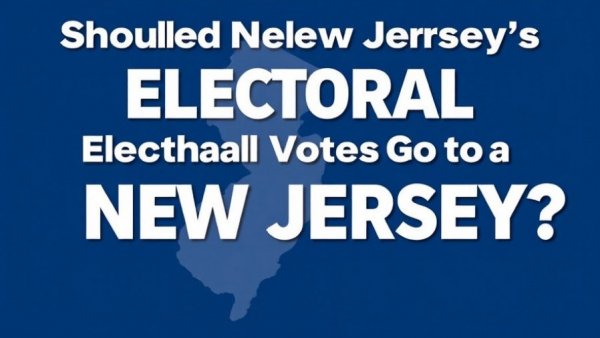
Understanding the National Popular Vote Compact
The National Popular Vote Compact (NPV) is a significant proposal gaining traction in certain states, intended to alter the way electoral votes are allocated in presidential elections. Traditionally, states award their electoral votes to the candidate who wins the state; however, the NPV seeks to bind member states to award their electoral votes to the candidate who wins the national popular vote, irrespective of how their own state's voters cast their ballots. This conceptual shift has sparked strident debates about the potential impact on the electoral landscape in New Jersey and beyond.
Why Should New Jersey Residents Care?
For the residents of New Jersey, understanding the implications of this change is pivotal. As a traditionally Democratic-leaning state, the adoption of the NPV could further diminish the influence of New Jersey voters in national elections. With a population that tends to lean towards Democratic candidates, a system that favors the national popular vote could lead to the state’s electoral votes being awarded to candidates who did not win the majority of votes in New Jersey. This change poses a fundamental challenge to the original design of the Electoral College, which was aimed at ensuring that all states, regardless of population size, have a voice in the presidential selection process.
Revisiting Past Elections: The Case of Bush v. Gore
To fully grasp the potential repercussions of the NPV, one must look back to the contentious election of 2000, where Al Gore received more votes nationwide than George W. Bush, yet lost the presidency due to the electoral tally. This situation gave rise to frustration among Democrats, spurring discussions around electoral reform. Advocates for the NPV argue that it could prevent similar situations in the future by ensuring that the candidate who wins the national popular vote is awarded the presidency, thus aligning the electoral outcome with the perceived will of the voters.
Current Political Landscape in NJ
The NPV's pending activation relies on additional states joining the compact, achieving a collective total of 270 electoral votes. Currently, with New Jersey being a part of this compact, the stakes are high as various political actors, including Governor Murphy and prominent figures like Chris Christie and Jack Ciattarelli, navigate through the implications this has on New Jersey’s political future. The compact represents a shift not just in voting dynamics, but also in how political campaigns are conducted in the state. If approved, candidates may focus more on populous urban areas than towns and rural locales, due to their larger potential vote impact on the national stage.
Impact on Local Governance and Community Life
The integration of NPV into our electoral practices is bound to influence New Jersey's policies, from school funding to property taxes. As Republicans push against the perceived dominance of Democratic party bosses, the impact of voter engagement becomes crucial. Small business owners, working families, and everyday citizens are likely to feel the ripple effects of these changes for years to come, particularly in terms of economic strategies concerning affordability and business taxes in the state. The elections in New Jersey would not merely be about electing local leaders but about how they respond to national trends dictated by potentially skewed vote allocations.
Conclusion: What Lies Ahead?
The political atmosphere in New Jersey is dynamic and full of uncertainties, particularly with the looming changes from the National Popular Vote Compact. Residents must stay informed and engaged, as the outcomes of future elections may significantly differ from those of the past. Strategies that promote voter turnout and conservative values will become increasingly vital. As this debate unfolds, New Jersey residents should consider the importance of their local votes and advocate for transparency in how electoral systems function. Understanding these changes not only empowers voters but ensures their voices are heard in the complex landscape of American politics.






Write A Comment