


Transforming Newark: A New Era of Affordable Housing
The vibrant streets of Newark are set to undergo a remarkable transformation, ushering in a promise of affordable living as the New Jersey Economic Development Authority (NJEDA) advances plans for two significant housing projects. The recent announcement of nearly $78 million in funding by the NJEDA serves not only as a crucial support system for housing but also as a beacon of hope for many residents who seek quality yet affordable accommodations in a city that is redefining itself.
A Closer Look: Cottage Place and Crown Village Projects
The Cottage Place apartment complex, located on West Kinney Street, is receiving its much-needed rehabilitation with an award amounting to $29.6 million. For the residents of Newark, this investment means the revitalization of 100 units, significantly enhancing their living conditions. Upgrades include modern kitchens and bathrooms and essential infrastructural improvements like roofs and HVAC systems. Moreover, a supportive services program for tenants underscores the humane approach to housing—considering not just the physical space, but the overall well-being of individuals and families that call this place home.
Meanwhile, the redevelopment of the former Pabst Blue Ribbon Brewery on South Orange Avenue marks another significant milestone. The Crown Village project aims to add 105 senior housing units across two new five-story buildings, integrating services for residents who are at risk of homelessness or earn between 50% and 60% of the area median income. It's a strategic blend of inclusivity and support, allowing those in need to access housing that respects their income realities.
Historic Context: Redevelopment Meets Community Needs
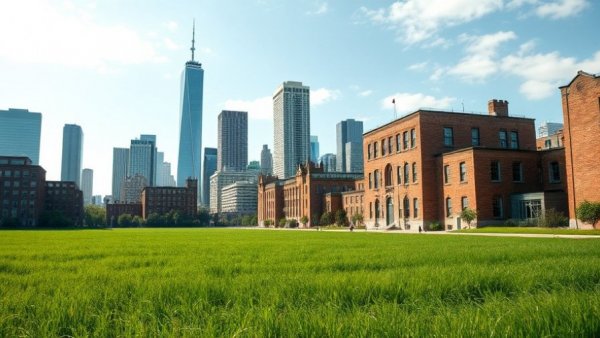
The former brewery's conversion into residential units captures a broader trend in urban development known as adaptive reuse, where old structures find new life in service of contemporary demands. This practice not only preserves historical value but also supports economic revitalization and sustainability within the city. While Newark has faced challenges in the housing market, this pivot towards adaptive reuse reflects a resilient approach to urban planning. It demonstrates a commitment by city officials to not only meet housing needs but also preserve the stories and legacies embedded in the bricks and mortar of Newark's past.
Future Predictions: The Impact of Affordable Housing Initiatives
The implications of these projects extend beyond the immediate need for housing. As the NJEDA awards transform community landscapes, they are likely to enhance Newark's appeal to potential residents from nearby regions, such as Jersey City and Hoboken, where luxury listings and high-rent prices create a pressing demand for affordable options. A mixed-use approach here—combining commercial and residential elements—promises to invigorate local businesses, promote a community-centered lifestyle, and reduce the urban sprawl that often results from housing shortages.
Potential tax incentives, like the 30-year abatement approved for the brewery redevelopment, further incentivize investment and development within Newark. As these projects unfold, we may see an influx of diverse demographics choosing Newark as their home, enhancing local culture and sustaining economic growth in what is becoming a dynamic urban hub.
Taking Action: Opportunities for Residents
The ongoing developments in Newark provide actionable insights for residents looking to enhance their living situations. Programs facilitated by the Newark Housing Authority, most notably the project-based Section 8 program mentioned alongside the Crown Village initiative, offer housing assistance to vulnerable populations, especially those experiencing homelessness. Residents can familiarize themselves with available resources and advocacy groups that are instrumental in providing support and guidance through these transitional phases.
For potential residents from areas like Jersey City and Hoboken: exploring these opportunities might lead to discovering a community that is not only welcoming and accessible, but poised for growth and connectivity. As Newark embraces these revitalization efforts, it is essential to recognize the value of staying informed and engaged in local housing projects.
The development of affordable housing in Newark stands as a testament to community resilience. It invites us all to envision a future where every resident has secure, stable housing—a fundamental building block for a thriving community.
As Newark advances on its path to a more equitable housing landscape, it encourages current and prospective residents to engage with these opportunities proactively. Explore the possibilities of affordable housing, support local initiatives, and be part of the narrative that shapes Newark as a hub of hope and renewal.





Write A Comment