

A Critical Need for Educational Space in Jersey City
The rapid development in Jersey City’s Powerhouse Arts District has brought about a wave of luxury high-rises, yet it has simultaneously neglected the fundamental needs of local communities, particularly in education. As noted by resident Patrick Carr, P.S. 16, the local elementary school, currently operates at a staggering 200% capacity, with classrooms filled to the brim, often accommodating 35 students or more. This overcrowding underscores a pressing dilemma that warrants immediate attention.
Exploring the Proposed Site at 111 First Street
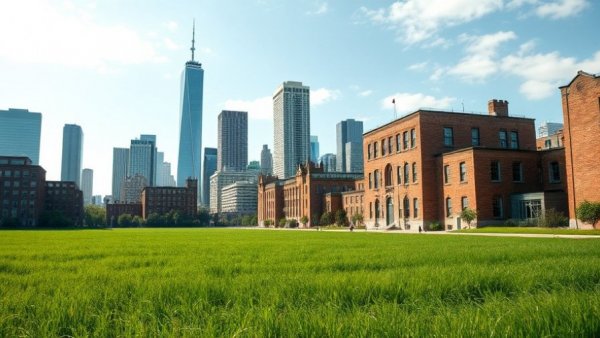
The matter at hand is the vacant lot at 111 First Street, perhaps the last remaining undeveloped site in a rapidly transforming neighborhood. Carr advocates for this area to be repurposed into a substantial public school, capable of accommodating 2,000 students from pre-K through 8th grade. Such a facility would not only address the current overcrowding crisis but also cater to the anticipated influx of residents—approximately 11,000 new luxury units are poised for construction in the vicinity.
Community Needs vs. Developer Profits
While the city is in talks with developers to include classrooms in new luxury towers, Carr raises valid concerns about the adequacy of this plan. The proposal for a mere 24-25 classrooms fails to meet the future educational demands of this bustling area. As seen with the underwhelming construction quality of facilities like the P.S. 16 Annex, reliance on developers to fulfill educational needs is rife with complications and disappointments. With expectations that developers should contribute to the community, there’s often a clash between urban development and the genuine public good.
Historical Context: Past Investment in Education
Historically, Jersey City’s school structures, some of which date back over a century, reflect a long-standing commitment to education, albeit one that has not been matched in recent times. The city’s leadership during the era of prominent mayors did prioritize school construction, now starkly contrasting with current neglect. Facing failing infrastructures, many students across sites like Hoboken and Newark also attend schools that are well over a hundred years old. It’s a state-wide issue, with a dire need for modernization affecting tens of thousands of young learners.
Future Predictions: What Lies Ahead?
If action isn't taken swiftly to address these chronic educational deficits, the challenges will only multiply. The influx of new residents without adequate schooling could lead to a strained community where educational needs remain unmet. Solutions must be proactive, focusing on long-term strategies that prioritize community well-being over immediate developer profit. Jersey City must urgently consider the establishment of new educational facilities like the proposed school at 111 First Street to ensure sustainable growth.
Actionable Insights: Your Role in the Conversation
As residents and community members, voices matter in shaping the future of local education. Engage with neighborhood associations, attend city council meetings, and advocate for educational investments that truly reflect the needs of the community. Solutions must involve genuine collaboration between city officials, educators, and residents, ensuring that the lessons learned from past oversights inform future development strategies. Together, we can foster an environment where education remains a paramount concern.
The Urgency for Change
The glaring discrepancy between rapid residential development and educational infrastructure cannot continue. With students in crowded classrooms and an abundance of new luxury housing emerging around them, it’s crucial that action be taken to remember that community thrives best when it’s balanced. Educating the future generation ought to be our top priority. Only then can the vibrant community of Jersey City continue to flourish.






Write A Comment