


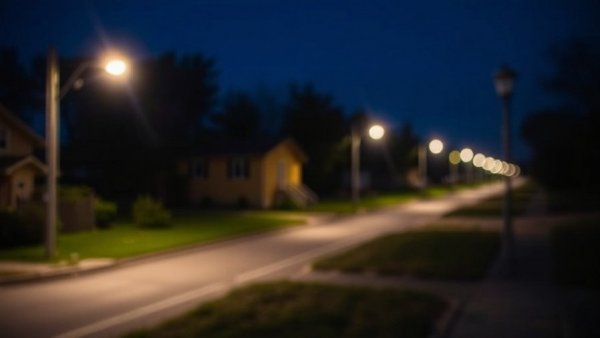
The Growing Nightscape of South Jersey
As dusk falls over South Jersey, a vibrant tapestry of artificial light often overrides the natural darkness that once enveloped these communities. From streetlights illuminating residential streets to bustling shopping centers that glow even in the dead of night, this transformation is not merely aesthetic; it's setting off alarms in the ecological balance of the region. The surge of development along key corridors like Route 322—evidenced by extensive warehouse projects—raises crucial questions about the repercussions of artificial lighting on local wildlife, particularly insects.
Effects of Artificial Light on Insect Behavior
Artificial lighting creates an environment that can be detrimental to insects and other nocturnal creatures. Daniel Duran, an environmental science scholar at Rowan University, points to artificial light as a significant environmental pressure affecting insects, adding to factors such as pesticides and habitat loss. This multifaceted threat may contribute to declining insect populations, as anecdotal observations suggest. However, experts emphasize that definitive scientific research is necessary to link artificial lighting directly to observed declines.
The Role of Moths and Pollinators
Moths—and other nocturnal pollinators—serve crucial roles in ecosystem health, including supporting food webs that many species depend upon. With nighttime lighting disrupting their natural behaviors, the implications expand beyond insect populations. Moths are often drawn toward artificial lights, confusing their navigation methods, which typically rely on natural cues from the moon and stars. As highlighted by Yahel Ben-Zvi from Rutgers University, this confusion significantly alters their flight patterns, thus placing them at risk for colliding with nearby surfaces or becoming easy prey for nocturnal predators like toads.
Disruption in Mating Patterns
The ramifications of nighttime illumination go beyond navigation; they interfere with mating behaviors. Duran notes a troubling trend: moths and other insects may struggle to find suitable mates due to disorientation from artificial lights. “It’s going to really impact their ability to find a mate and successfully mate,” he warns, underscoring a cascading effect on future generations of these vital species.
Community and Policy Implications
The transformation of South Jersey’s landscape, underscored by artificial lighting, compels civic and professional leaders to reconsider policies regarding urban development and environmental conservation. For policymakers, the challenge lies in balancing growth and ecological health, making it imperative to integrate sustainable practices into community planning. Adequate measures such as strategic lighting designs—including shielding and dimming options—could alleviate some of the negative impacts of artificial light.
Steps Toward a More Sustainable Future
As new developments continue to rise across the region, it is crucial for communities to take a proactive stance. Initiating discussions about enhancing lighting policies and investing in landscaping that provides natural habitats can combat the threats posed to nocturnal insects. Engaging local populations in awareness campaigns around the impact of artificial lighting on biodiversity is also key in fostering a community-centered approach to environmental stewardship.
Conclusion: The Path Forward for South Jersey
In conclusion, as South Jersey continues to shine brighter at night, its communities must critically evaluate how these changes impact local ecosystems. It’s a balancing act between development and conservation, and civic leaders play an essential role in shaping a future that considers both human and environmental needs.






Write A Comment