


Transforming Newark's Neighborhood: A $240 Million Vision
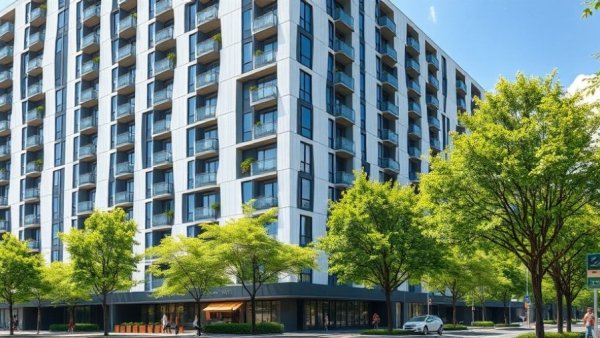
The recent approval by the Newark Central Planning Board for a sweeping redevelopment project signals a significant shift in the landscape of the South Ironbound neighborhood. With plans for an eight-story building that will house 670 apartments and nearly 19,000 square feet of retail space, this ambitious plan is set to modernize the area while providing vital affordable housing options.
Located at the intersection of Mulberry and Murray Streets, the project, branded as Mulberry Gardens, stands to redefine how residents interact with their community. The project, which represents a $240 million investment, will initiate construction in phases, allowing for seamless integration into the existing urban fabric. The question on many minds remains: how will this redevelopment enhance the quality of life for the current residents?
Addressing Affordable Housing Needs
A noteworthy aspect of the Mulberry Gardens project is its commitment to addressing affordable housing—an increasingly pressing issue in urban centers. Developer Mulberry Gardens LLC plans to allocate 134 of the new apartments for affordable housing. Given the expansion of gentrification in urban areas like Jersey City and Hoboken, this initiative is a step towards creating a more inclusive community where varied economic backgrounds can coexist.
The inclusion of affordable housing not only addresses a critical shortage but also reflects Newark's growing commitment to community development. Residents who depend on mixed-income neighborhoods can anticipate a more stable and thriving environment as the new project takes shape.
Balancing Development with Community Input
Public engagement played a pivotal role in the approval process for this redevelopment. During the planning meetings, community members voiced their support while raising concerns about potential increases in traffic. Developer representatives assured attendees that a comprehensive traffic study had confirmed minimal impact on the existing patterns, illustrating the importance of thorough planning in urban development.
As residents shared their thoughts, it became evident that community feedback is crucial for balancing progress with the needs of long-standing neighborhoods. This project may serve as a model for future developments in Newark and beyond—highlighting the necessity of keeping conversations open between developers and the community.
Sustainable Design: A Greener Future
In today's climate-conscious world, the project also underscores sustainability. With over 36,000 square feet dedicated to green roof space and a solar roof exceeding 6,500 square feet, Mulberry Gardens is strategically addressing environmental concerns. Such features not only enhance the aesthetics of the building but also contribute to long-term energy efficiency, making the project less reliant on traditional energy sources.
This emphasis on green construction is increasingly relevant in the context of New Jersey's broader environmental goals—mirroring initiatives seen in Asbury Park and Bayonne, where developers are weaving sustainability into the core of their projects.
The Bigger Picture: Shaping Newark’s Future
The $240 million investment into the South Ironbound district won't just provide housing; it sets the stage for future developments across Newark. As the city positions itself within the greater context of New Jersey's urban hubs like Jersey City and Hoboken, projects such as Mulberry Gardens show a commitment to not only building structures but fostering vibrant, connected communities.
With construction anticipated to commence in late 2027 or early 2028, residents and stakeholders alike are left to wonder: what will Newark look like in a decade, as projects like this pave the way for ongoing transformation?
Call to Action: Stay Informed and Engage with Your Community
As the transformation of South Ironbound unfolds, staying engaged with local developments is key. Residents are encouraged to participate in community forums and stay informed about new initiatives that shape their neighborhoods. Whether you live in Newark, Jersey City, or beyond, being an active voice in planning for urban development can help ensure that community needs continue to be prioritized.





Write A Comment