


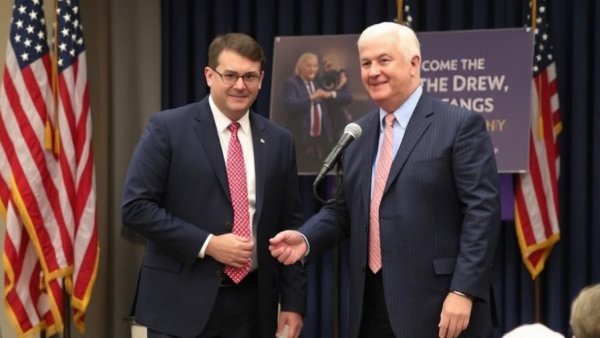
The Upset That Shook South Jersey
In a shocking political twist, Republican Congressman Jeff Van Drew has lost his reelection bid in New Jersey’s 2nd Congressional District, falling to his Democratic challenger, Zack Mullock. This marks a significant political shift in South Jersey and has major implications for the balance of power in the U.S. House of Representatives.
Who’s Who in the Election
Jeff Van Drew, who transitioned from the Democratic Party to become a vocal supporter of Donald Trump, held his Congressional seat since 2019. He was known for a strong alliance with Republican leadership, which had led him to build a coalition of voters across the district. His opponent, Zack Mullock, a local businessman from Cape May, mounted a formidable campaign, capitalizing on local frustrations surrounding affordability issues and the Democratic establishment's control.
Where and When It Happened
The election results indicate a significant shift in New Jersey’s political landscape as Van Drew’s defeat unfolded on Election Day in 2026. The outcome shot shockwaves through communities that had previously leaned Republican, especially in traditionally Republican strongholds on the shore.
Why This Matters for New Jersey
This election is not just a victory for Mullock; it symbolizes a return to Democratic representation in a district that had been trending Republican. Voter turnout was critical, showcasing the renewed energy among Democratic voters disenchanted with Van Drew's shift in party affiliation. As concerns regarding NJ property taxes, school funding, and affordability continue to escalate, this can significantly impact how policies are shaped at the federal level.
Community Reaction: A Mixed Bag
Locals have expressed diverse perspectives on the election results. Supporters of Mullock are celebrating what they see as a chance for a more responsive government that aligns with progressive values, especially regarding pressing issues like public school funding and affordability in NJ. However, Republican stalwarts are voicing their concerns over the loss, fearing that it signals more influence from "Democratic party bosses" and a potential increase in taxes as state policies shift under new leadership.
Next Steps for New Jersey’s Political Landscape
The results of this election are set to reshape New Jersey's political conversation. With Mullock poised to take office in January 2027, we can expect a re-examination of policies enacted during Van Drew's term. Important issues like school curriculum transparency and the NJ gas-powered vehicle ban may find new life under his leadership. As the GOP prepares its strategies for future races and grapples with the impact of this loss, the stakes will be high in the forthcoming Republican gubernatorial primary.
What Happens Next?
The political landscape of New Jersey is in flux, and the 2nd District’s switch to Democratic representation will be a key point of interest for both parties moving forward. Local business owners and voters are advised to stay engaged as new policies and regulations unfold under Mullock’s watch. Additionally, all eyes will be on upcoming legislative races and voter engagement efforts as New Jersey navigates this new chapter.
As we look ahead, the engagement of NJ political junkies will be crucial. Regular updates, analytical commentary, and continued conversations about local issues will be vital to help residents understand the implications of this election.
For further insights on how this election will impact New Jersey’s landscape and what comes next, keep an eye on local news sources. Stay informed about NJ’s issues surrounding affordability, taxes, and voter behavior.







Write A Comment