


Opening Hook: Are You Wondering How Much Mortgage Can I Afford? Discover the Key Factors That Determine Your Home Buying Power
Looking to buy a home but asking yourself, “How much mortgage can I afford?” You're not alone
Robert Leonardo, a licensed mortgage expert and financial strategist at Go Rascal, shares vital insights on how you can calculate a mortgage amount that fits your financial situation and lifestyle. With expert tips and practical guidance tailored for first-time buyers and budget-conscious families, this guide unpacks everything to get you started on the right path.
Understanding your gross monthly income and its role in mortgage affordability
How monthly debts and credit cards impact your debt-to-income ratio
The influence of down payment size on loan terms and mortgage insurance
Why your credit score affects your interest rate and overall affordability
Balancing lender approval with your personal comfort and lifestyle

Understanding Mortgage Affordability: The Basics of How Much Mortgage Can I Afford
Gross Monthly Income and Income Ratio Explained
Calculating how much mortgage you can afford starts with your gross monthly income — simply the total income you earn before taxes and deductions. This figure is essential because lenders use it as the foundation when assessing your ability to repay a loan.
Robert Leonardo, a licensed mortgage expert and financial strategist, explains, “The first number you need is your gross monthly income. That’s your income before taxes. Lenders use it to calculate your debt-to-income ratio, or DTI, which determines how much of your income can safely go towards housing.” For example, if your gross income is $6,000 per month, lenders will look closely at how much of that can be dedicated to mortgage payments without risking your financial health.
Calculating Debt-to-Income Ratio (DTI) with Monthly Debt and Credit Card Payments
Next, your existing debts come into play. These include credit card payments, auto loans, student loans, and other monthly obligations. The combination of your debts and mortgage payment should not overwhelm your income.
According to Robert Leonardo, “Lenders don't just look at income. They compare it to your monthly debts, credit cards, auto loans, student loans. All of it gets factored into your DTI. Ideally, your total DTI should be under 43%, and your housing DTI under 28%.” This means only up to 28% of your gross income should be used for housing costs, and total debts shouldn’t exceed 43% of your income.

How Down Payment Size Influences How Much Mortgage Can I Afford
Impact on Loan Amount, Monthly Payment, and Mortgage Insurance
Your down payment is a crucial factor that affects your mortgage size and monthly payments. The larger your down payment, the less money you need to borrow. This not only lowers your monthly mortgage payment but may also improve your loan terms and eliminate the need for private mortgage insurance (PMI).
Robert Leonardo of Go Rascal notes, “A bigger down payment means you borrow less and often get bigger, better loan terms. It affects everything — your loan amount, your monthly payment, and whether or not you need to pay PMI, private mortgage insurance.” For instance, putting down 20% or more can save you from PMI fees, making your home loan more affordable.

The Role of Credit Score in Determining How Much Mortgage Can I Afford
How Credit Score Affects Interest Rate and Mortgage Payment
Your credit score profoundly impacts the interest rate you qualify for, which in turn affects your mortgage affordability. Higher credit scores often translate to lower interest rates and smaller monthly payments.
Robert Leonardo emphasizes, “Your credit score is critical. It directly impacts your interest rate, and a lower rate can save you tens of thousands of dollars over the life of your loan. The better your credit, the more affordable a higher-priced home becomes.” This means investing time in improving your credit score before applying for a loan can substantially increase your buying power.
Balancing Affordability Calculator Results with Personal Comfort and Lifestyle
Why Monthly Payment Comfort Matters More Than Bank Approval
While lenders approve loan amounts based on calculated affordability, the amount they're willing to lend you isn’t always the amount you should borrow. Aligning your mortgage payment with your lifestyle and long-term goals is essential for financial wellbeing.
I always ask clients, what's the monthly payment you’re comfortable living with? Lifestyle, savings, goals, emergency funds — affordability isn’t just math, it’s real life

Using an Affordability Calculator to Estimate How Much Mortgage Can I Afford
Incorporating Home Price, Property Tax, and FHA Loan Options
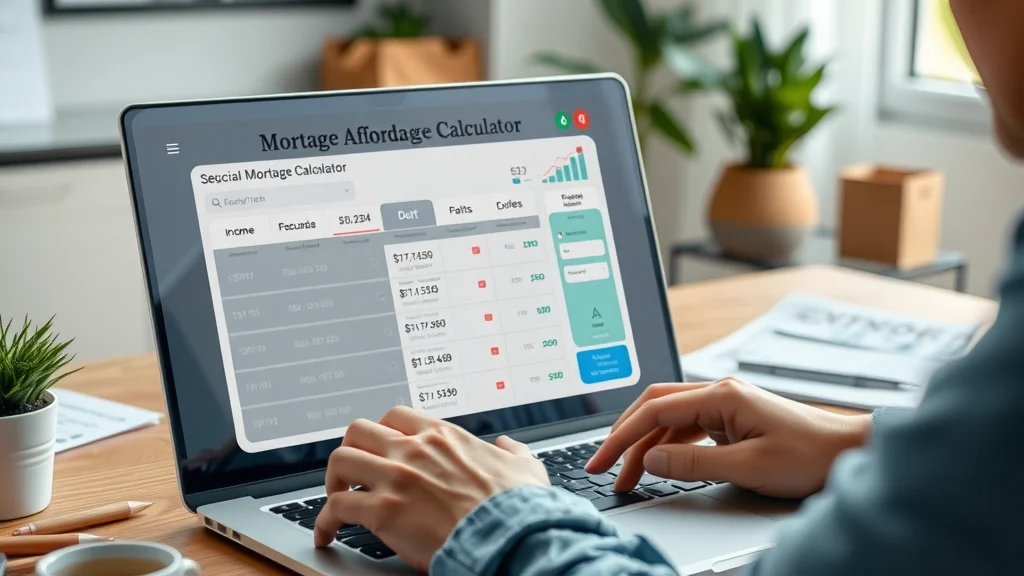
To get a clearer estimate of your mortgage affordability, you can use an online mortgage affordability calculator. This tool considers your income, debts, down payment, credit score, interest rate, property tax, and loan options such as FHA loans, which often require a lower down payment.
Input |
Explanation |
|---|---|
Gross Monthly Income |
Total before-tax income to calculate base affordability |
Total Monthly Debts |
Includes credit cards, loans, and other recurring payments |
Down Payment |
Determines loan size and potential PMI avoidance |
Credit Score |
Influences interest rate and loan terms |
Interest Rate |
Lower rates reduce monthly payments and total cost |
Property Tax |
Annual taxes included in monthly mortgage payments |
Loan Types |
Conventional, FHA, and other options affect terms |
Common Questions: People Also Ask About How Much Mortgage Can I Afford
How much of a mortgage can I afford based on my salary?
You can typically afford a mortgage where your total housing costs do not exceed 28% of your gross monthly income, and your total debts remain under 43%. For example, if you earn $5,000 monthly before taxes, your mortgage payment should ideally be $1,400 or less.
What salary do you need for a $500,000 mortgage?
Assuming conventional loan terms and a 20% down payment, you typically need a gross annual salary around $80,000 to $100,000 to comfortably afford a $500,000 mortgage. This depends on credit score, debts, and current interest rates.
What is the 3 7 3 rule in mortgage?
This rule is a simplified guideline where your monthly housing expenses should be no more than 30% (3/10) of your gross income, your total debt payments no more than 40% (7/10), and the length of your loan typically 30 years (3 decades). It helps buyers keep affordability in check.
How much can I afford on a house if I make $70,000 a year?
Making $70,000 per year, your monthly gross income is roughly $5,833. Using lender guidelines, you might afford monthly housing costs around $1,633. Factoring in down payment and interest rates, this might translate to a home price in the range of $300,000 to $350,000, depending on other financial factors.
Key Takeaways on How Much Mortgage Can I Afford
Calculate your gross monthly income to understand your borrowing capacity.
Keep your total monthly debts and credit card payments low to maintain a healthy debt-to-income ratio.
Increase your down payment to reduce loan amount and avoid mortgage insurance.
Improve your credit score to secure lower interest rates and better loan terms.
Choose a monthly payment that fits your lifestyle and financial goals, not just the maximum approved by lenders.
Conclusion: Making Informed Decisions About How Much Mortgage Can I Afford
Expert Advice from Robert Leonardo to Empower Your Home Buying Journey
"Affordability isn’t just about numbers; it’s about your life. Understanding your income, debts, down payment, credit score, and comfort level will help you make the best mortgage decision for your future." – Robert Leonardo
Approach your mortgage calculation thoughtfully and lean on expert guidance. Being informed boosts confidence and helps you secure the best possible terms for your dream home in New Jersey.
Call to Action
Ready to Find Out How Much Mortgage You Can Afford? Call Today 973-445-7809







Write A Comment