


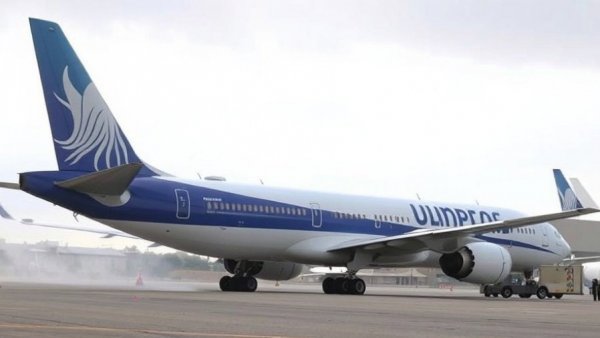
Ground Stop Disrupts Travel for Major College Football Teams
A recent nationwide ground stop imposed by the Federal Aviation Administration (FAA) caused significant disruptions for multiple college football teams, particularly those in Power 4 conferences. This operational hiccup stemmed from communications problems at regional air traffic control centers, leading to a delay that lasted over four hours. As a result, several teams were left stranded, impacting their travel plans for crucial games scheduled for the weekend.
What Games Are at Stake?
Among the affected teams were four from the Big 12 Conference — Baylor, Kansas State, Utah, and Arizona State — as well as three from the SEC: Ole Miss, Tennessee, and Texas. Two Big Ten teams, Minnesota and Washington, also faced delays. Arizona State made the decision to deplane and return home, opting for an early flight on Saturday morning to make its game against UCF, which is scheduled for 3:30 p.m. ET. Meanwhile, Washington was hopeful of resuming travel later that evening for its game against Michigan State.
Logistical Nightmares for Coaches and Players
Colorado State turned to unconventional measures during this turbulent travel period, conducting a walk-through at Northern Colorado Regional Airport while waiting to fly to Pullman for their game against Washington State. Other teams attempted various strategies to avoid missed schedules, with Oregon State, for instance, starting their journey by bus before returning to the airport for a later flight to Idaho.
Implications for Upcoming Matches
Key match-ups could be influenced by these unexpected delays. Among them are significant games like No. 8 Tennessee facing Texas A&M and No. 6 Texas venturing to No. 21 LSU. The Big 12 Conference is carefully monitoring the situation, exploring the possibility of altering Saturday's schedules to accommodate these disturbances.
Unexpected Travel Complications for Officials
The ripple effects of the FAA’s ground stop are not limited to the teams. Officials, who typically arrive a day in advance of the games, may face their own challenges getting to the fields. As Georgia’s coach Kirby Smart pointed out, the situation has left many within the organization wondering how officials will reach their assigned games in time. Some officiating crews for the ACC were grounded, but the league has contingency plans in place, often deploying crews of seven officials when necessary.
Government’s Response to the Crisis
The FAA justified the ground stop by citing “extraordinary circumstances and for reasons of safety.” Transportation Secretary Sean Duffy noted a telecommunications outage affecting several regional air traffic control centers as the culprit behind this aviation disruption. Such breakdowns raise questions about the reliability of air travel, especially during busy weekends in college sports.
The Bigger Picture: Navigating Challenges in Sports
This incident not only disrupts the immediate travel plans but also highlights the broader challenges posed by travel logistics for teams and officials in college football. As college sports become more commercialized, understanding these logistical frameworks is crucial for fans and stakeholders alike, reminding us of the interconnectedness of travel and competition in the world of athletics.
As football enthusiasts, this reminds us that even in a sport filled with strategy and skill, unforeseen circumstances can emerge, reshaping not just games, but the entire atmosphere of competition. How teams adapt to such challenges often reflects their resilience and determination to succeed, just as it does in all sports.






Write A Comment