


Unearthing Political Tensions in 'Winter of the Crow'
In a divergence from the usual casting for political thrillers, director Kasia Adamik's Winter of the Crow features the remarkable 70-year-old British actress Lesley Manville as a protagonist in a harrowing Cold War narrative. As Dr. Joan Andrews, an English academic navigating the perilous environment of early 1980s Warsaw, Manville's performance expertly marries vulnerability with unexpected bravery. While one might not expect an older lead to engage in car chases and intense confrontations, Manville shatters these preconceptions, portraying a woman who finds herself ensnared in geopolitical conflicts far from her comfort zone.
Historical Context: A Harrowing Time in Poland
Set against the backdrop of martial law declared in Poland in December 1981, the film paints a vivid picture of the harsh realities faced by both citizens and outsiders. Not only does it showcase Joan’s personal struggle to escape an unfamiliar and threatening landscape, but it also offers a glimpse into the broader resistance against oppression. The details of daily life during this time, from the scarcity of goods to the strange customs adopted for survival, are cleverly interwoven into the narrative, helping viewers grasp the dire situation. For instance, the re-rolling of toilet paper signifies not just resourcefulness but also the despair felt by the populace.
The Human Element: A Unique Perspective
Adamik's film emphasizes how the personal becomes intertwined with the political. Joan’s initial air of entitlement, as she is used to a privileged life, serves as a counterpoint to the grim realities surrounding her. As the audience gains insight through translated broadcasts and subtitles, we can see the ripple effect of political unrest on individuals. This creates suspense; while Joan is oblivious to the escalating danger, we are painfully aware. It’s hard not to empathize with her plight as she grapples with her outsider status—the film effectively portrays her journey from a naive tourist to a reluctant witness, and possibly, a martyr.
Behind the Scenes: Craftsmanship in Film
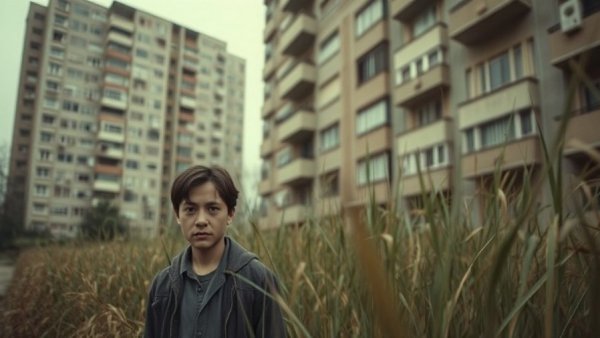
Cinematographer Tomasz Naumiuk deserves special mention for capturing 1980s Warsaw’s starkness. By draining the film's color palette, Naumiuk aligns the visuals with the oppressive atmosphere of the era, reminiscent of how filmmakers have portrayed Gotham City in other narratives. It’s a visceral representation that reinforces the weight of Joan's predicament. The meticulously crafted setting—where even the locals keep carp for Christmas due to the lack of other means—speaks volumes about survival under duress.
Future Insights: What Might This Mean for Audiences?
Soon-to-be audiences can anticipate more films that delve into untold stories from history, particularly those featuring unexpected protagonists. Winter of the Crow opens the door to discussions about the roles individuals play in larger movements and how outsider perspectives can shape narratives. It challenges viewers to reconsider conventional cinematic heroes, possibly paving the way for intriguing new narratives.
For arts enthusiasts, local film festivals and showcases—especially in areas like New Jersey—are great ways to explore cinema that challenges norms and presents fresh perspectives. Discover upcoming films similar to Winter of the Crow by attending events at venues like the State Theatre New Jersey or the Mayo Performing Arts Center. Share your thoughts on how such films resonate with your understanding of historical narratives and modern parallels.
Through its unique storytelling, Winter of the Crow not only entertains but also provides a critical lens on history, engaging audiences with a rich narrative about courage, conflict, and the human spirit.





Write A Comment