


The $7.8 Billion Commitment: New Jersey's Healthcare Investment
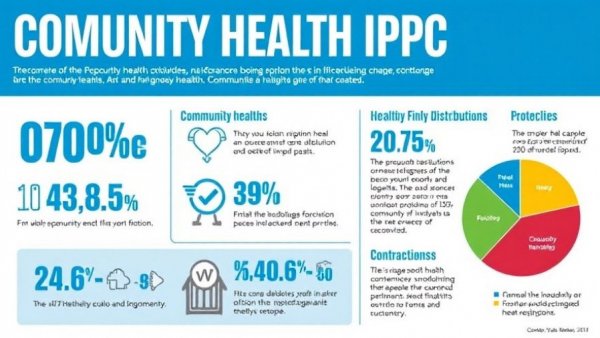
In a significant contribution to public health, New Jersey hospitals have stepped up their game, investing over $7.8 billion in community health initiatives in 2024. This figure represents a remarkable commitment to addressing local health needs and is a testament to the essential role that healthcare systems play in enhancing community welfare.
Understanding the Impact on Local Communities
The reported $7.8 billion investment encapsulates various initiatives aimed at filling gaps in public health services. The largest portion, at $5.14 billion, is attributed to unpaid costs of patient care, which includes charity care and services provided to Medicare and Medicaid beneficiaries. This financial burden on hospitals highlights the ongoing challenge of healthcare affordability and access.
In a landscape increasingly focused on patient care, organizations like RWJBarnabas Health are not just providing critical services; they are fostering community-based programming that actively engages citizens. Events hosted at local centers exemplify their proactive approach, as they offer free health screenings and educational programs designed to identify health risks early and spark career pathways in healthcare.
The Economic Ripple Effect
Beyond the direct health benefits, the economic ramifications of this investment are profound. The New Jersey Hospital Association (NJHA) reports that hospital activity is responsible for supporting about 172,000 jobs and generating a staggering $37.4 billion in overall economic impact. Hospital wages alone account for approximately $13 billion, significantly contributing to state income taxes and local economies.
A Closer Look at Community Benefits
The breakdown of the community benefits reveals a comprehensive approach towards healthcare in New Jersey. Funds allocated to subsidized health services and health professions education underscore the commitment to training the next generation of healthcare professionals, providing scholarships and educational opportunities totaling $601.7 million. Additionally, hospitals contribute $472 million in cash and in-kind donations to local organizations, enhancing resources available for health and wellness initiatives.
Why This Matters to New Jersey Residents
The stakes are high for New Jersey residents, as patient safety standards, accessible medicine, and mental wellness programs are often at the forefront of public discussion. With community health initiatives focusing on social determinants of health—such as housing and the environment—these investments aim not just to treat health conditions but to create healthier communities overall.
As the NJHA report emphasizes, these efforts have supported over 42 million individual health interactions, proving that it is not merely a sum of money spent but lives transformed and improved through dedicated outreach.
Looking Ahead: The Future of Healthcare in New Jersey
With the healthcare landscape continually evolving, the insights from the NJHA report raise essential questions about future priorities and policy adjustments. The data derived from community health needs assessments conducted every three years will be crucial as hospitals align their services to meet emerging challenges. For leaders in healthcare administration, this is an opportunity to rethink strategies that align financial health with community welfare.
The coming years will require close monitoring of initiatives related to nursing home reforms, patient assistance protections, and the ongoing expansion of urgent care facilities.
Concluding Insights on Community Health Initiatives
New Jersey's investment in community health serves as a model for other states grappling with similar healthcare delivery challenges. As hospitals navigate the complex balance of care provision and economic sustainability, stakeholders must remain committed to transparency and community engagement.
For C-suite executives and policymakers, the findings in this report not only reflect a commitment to public health but underscore the importance of collaborative efforts in creating a robust healthcare system. The community health initiatives championed by hospitals are indispensable as New Jersey strives toward a healthier future for all its residents.
As discussions around healthcare reform continue, it is imperative for stakeholders to advocate for policies that enhance support for community health initiatives, ensuring they remain accessible and beneficial to all New Jersey residents.







Write A Comment