

New Horizons for Newark: Townhouses Near University Hospital
The Newark Central Planning Board has officially approved exciting residential development on Morris Avenue, where three four-family townhouses will rise near University Hospital. This initiative marks an important step for a neighborhood that has been ripe for growth and revitalization. With a focus on providing accessible living options, this development signifies a new chapter in Newark's urban landscape, showcasing the city's commitment to enhancing community living.
Revitalizing the Community: The Project Overview
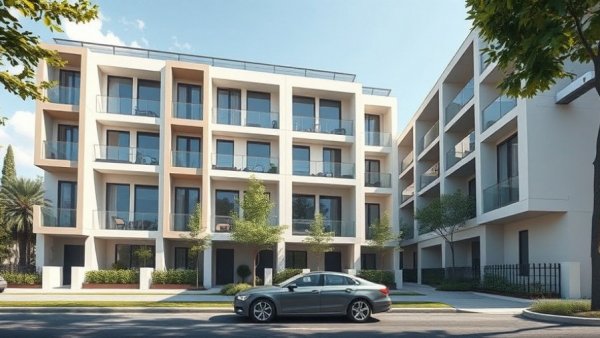
Located at 347-353 Morris Avenue, the project will redevelop two vacant parcels, expanding the housing options in Newark's Central Ward. Each townhouse will feature a three-car garage designed for modern living, including fully handicap-accessible units. The design emphasizes accessibility and community interaction, as each of these homes will house two-bedroom apartments on the ground floor, and larger three-bedroom units with dedicated office spaces on upper floors, fostering an ideal living environment for families.
This thoughtful layout not only caters to the varying needs of residents but also promotes a sense of community. Families will find comfort in the spaciousness of their apartments, and the inclusion of dedicated office spaces adds a modern twist, making it easier for residents to balance work and home life—a feature that has become increasingly important in today's world.
Design Features and Specifications
The architectural plans, led by project architect Jorge Fernandes, showcase a strong focus on aesthetics and functionality. Using a combination of velour brick façades and contrasting vinyl siding in Savannah Wicker, the homes will harmonize beautifully with the street’s character. The developers have taken care to include attractive design elements like black-trimmed windows and wrought-iron railings, ensuring that these new homes enhance the aesthetic appeal of the area. Moreover, each townhouse will not only meet modern building codes but will also reflect the historical significance and character of Newark, which is known for its rich architectural heritage.
The Impact on Housing Supply and the Community
As Newark continues to experience urban rejuvenation, the need for more housing becomes ever more pressing. The approval of this project follows several others on Morris Avenue, which have contributed to a burgeoning residential hotspot. Thomas Ricci Jr., the project's planner, emphasized that by granting the requested variances, the project not only meets current housing demands but also helps local families find reasonable and accessible living solutions. This effort supports Newark's broader initiative to address the shortage of affordable housing, which is a significant concern for many residents.
Community engagement is also an important aspect of this development process. Local residents have the opportunity to voice their opinions and express their needs to ensure that the new housing aligns with the community's vision. Better housing options can lead to increased stability for families, which is crucial for neighborhood revitalization.
Connecting Residents to Local Amenities
The strategic location near University Hospital enhances the project's appeal. With critical healthcare facilities, public transport options, and local parks just a stone's throw away, future residents will enjoy a lifestyle enriched with convenience and community. This project is part of a broader trend of transit-oriented development that Newark is embracing, making it a desirable option for families and professionals alike. Residents will benefit from easy access to essential services, educational institutions, and recreational activities, enabling them to live, work, and thrive within their neighborhood.
Looking Toward the Future: Is Newark the Next Big Thing?
The real estate landscape in Newark is evolving. The city’s focus on adaptive reuse and inclusionary housing ordinances aims to provide diverse living options amid growing urbanization pressures. With this latest approval, Newark’s Central Ward is set to become a vibrant area filled with new families and opportunities, reshaping the community dynamic and encouraging local growth. Moreover, this development could potentially spark interest from other investors, leading to further enhancements in infrastructure, commercial spaces, and public amenities. It could mark the beginning of a broader movement towards comprehensive urban development that retains the uniqueness of each neighborhood.
Residents looking to find out more about this housing initiative and others are encouraged to engage with the local continuously evolving urban scene. As Newark's transformation continues, opportunities for growth and investment emerge, painting a promising future for its neighborhoods. Engaging in community events and discussions helps shape the dialogue on what is needed to make these developments successful.
Finally, as we reflect on the changing landscape of Newark, let us advocate for more such developments, ensuring that they cater to the needs of all residents and bolster our community spirit. The future of Newark looks bright, and as more projects like this take root, the fabric of our community will continue to grow stronger and more inclusive, benefiting everyone.







Write A Comment