


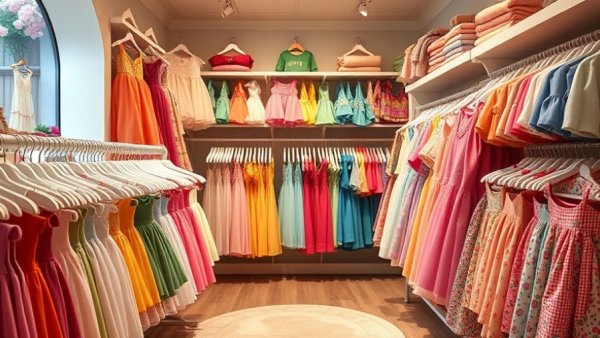
Children’s Place Faces Uncertain Future Amid Bankruptcy Talks
The Children’s Place, a retailer based in Secaucus, New Jersey, is reportedly weighing a bankruptcy filing as it wrestles with severe financial challenges. According to Bloomberg, the company is actively exploring various options amid a backdrop of mounting debt and declining sales.
The prospect of bankruptcy comes at a tumultuous time for the retail sector, where traditional players are grappling with shifting consumer habits, increased competition from e-commerce giants, and economic pressures stemming from inflation and rising costs. In particular, Children’s Place, known for offering affordable fashion for children, has struggled to maintain profitability.
The Retail Landscape: What’s Happening?
Over the past few years, many well-known retailers have succumbed to similar fate. For instance, both West Marine and Saks Fifth Avenue have undergone Chapter 11 proceedings recently, underscoring how various market pressures are forcing retailers to reconsider their viability. As Children’s Place reviews its financial landscape, the New Jersey retail environment remains under scrutiny.
New Jersey’s business community is keenly aware of the implications of such corporate decisions. If Children’s Place proceeds with bankruptcy, it could lead to store closures, affecting local economies and possibly resulting in job losses. A recent analysis of commercial real estate in the area indicates that retail spaces are already facing challenges with occupancy rates, a trend that could intensify with the potential closure of a major retailer like Children’s Place.
Local Impact: Why New Jersey Readers Should Care
The potential bankruptcy of a prominent retailer has consequences that ripple through New Jersey's economy. Small business owners and local entrepreneurs who depend on retail traffic stand to be impacted significantly. The retail sector is a conduit for employment and economic activity; disruptions at larger chains often trickle down, affecting job stability and local services.
Furthermore, a loss of stores may signify an overall decline in the physical shopping experience, pushing consumers further towards online platforms. As we navigate through the post-pandemic retail environment, understanding these dynamics offers valuable insights for both consumers and business leaders alike.
What Lies Ahead? Future Predictions and Trends
As Children’s Place contemplates its next move, trends suggest a growing need for adaptability in retail operations. Companies that embrace online shopping, improve logistics, and enhance customer engagement are more likely to thrive. Experts predict that retailers who invest in resilient supply chains and diversify product offerings will be best positioned to navigate economic downturns.
Additionally, this situation prompts discussions about the future of shopping in New Jersey. Will we see a shift towards mixed-use developments that combine retail with residential and office spaces? Also, how will city planning need to evolve considering the changing nature of consumer spending? These questions reflect broader trends in economic development that are critical for local policy makers and community leaders.
Conclusion: Keeping a Watchful Eye on Developments
While Children’s Place weighs its options, New Jersey business stakeholders should monitor developments closely. The possibility of bankruptcy and its implications for employment, local economies, and consumer habits highlights the ongoing evolution of retail. As consumers, employees, and business leaders navigate this uncertain landscape, staying informed is essential for making strategic decisions moving forward.






Write A Comment